
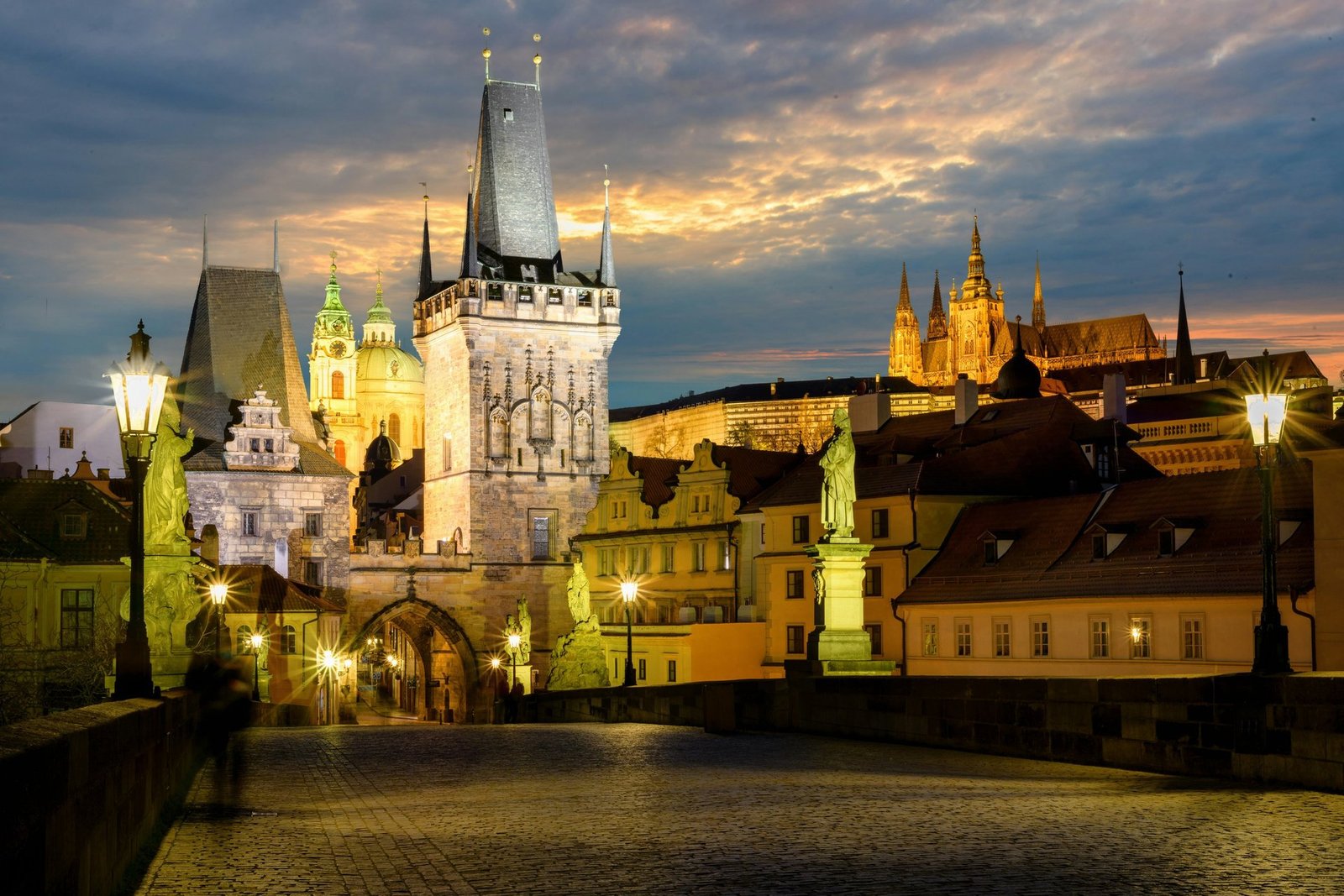
Prague is known as the City of a Hundred Spires, and it lives up to the name. Its medieval core survived largely intact, so Gothic churches, baroque palaces and art nouveau cafés sit side by side along cobbled lanes and the Vltava River. It is also one of Europe’s best-value capitals, with five-star hotels and Michelin-starred dining that cost noticeably less than in Paris or Vienna. This Prague travel guide covers how many days to stay, the best neighbourhoods, the sights and experiences worth your time, where to eat and the practical details that make the city easy.
Prague at a Glance
- Best for: History, architecture, music, food and beer
- Ideal stay: 3 to 5 days
- Best areas to stay: Malá Strana, Old Town
- Best months: April to June, September to October
- Christmas markets: Late November to December
- Getting around: Walking, trams and metro
- Top day trip: Český Krumlov or Karlštejn
- Currency: Czech koruna (CZK), not the euro
Affiliate note: this guide contains affiliate links. If you book through them, The Gilded Way may earn a commission at no extra cost to you.
How Many Days Do You Need in Prague?
- 3 days: covers the essentials. One day for the Old Town and Charles Bridge, one for Prague Castle and Malá Strana, and one for the New Town and the river.
- 4 to 5 days: our recommendation. Add a day trip to Český Krumlov or Karlštejn Castle, plus a slow day in Malá Strana and Vinohrady.
- A week: combine Prague with Vienna, about four hours away by train, for a classic Central European journey.
Where to Stay in Prague
Prague is compact, so you can stay almost anywhere central and walk to the main sights. The real choice is between atmosphere, quiet and value.
Baroque palaces, quiet lanes and gardens beneath the castle, a short walk from Charles Bridge. The most romantic base in the city.
The heart of Prague, steps from Old Town Square. Maximum convenience, but busier, noisier and pricier.
Leafy streets, cafés, wine bars and good value, a short tram or metro ride from the centre.
A revived riverside district of design restaurants, craft breweries and stylish apartments, with easy metro access.
Our pick: Malá Strana for a calm, elegant stay close to the castle, or the Old Town if you want to step straight out into the action.
The Best Things to Do in Prague
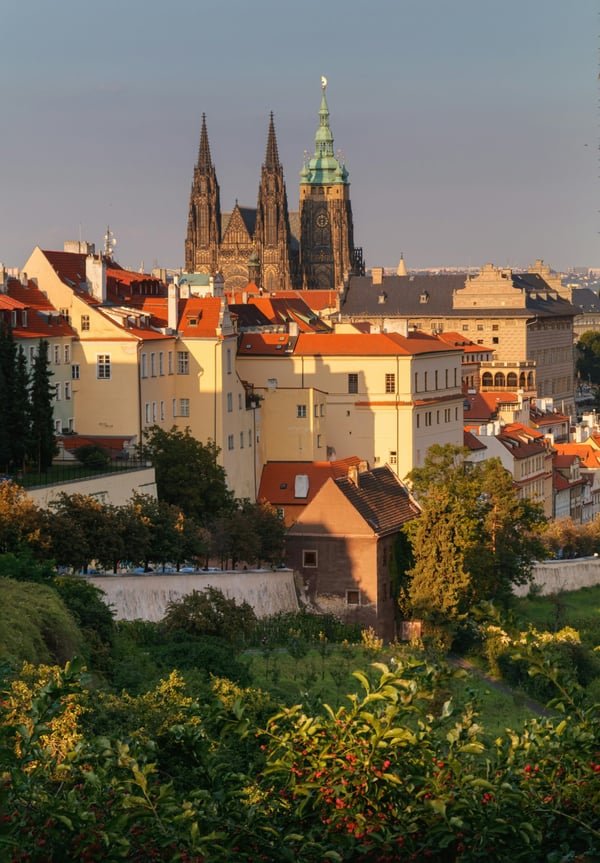
1. Explore Prague Castle
One of the largest ancient castle complexes in the world, home to St. Vitus Cathedral, the Old Royal Palace with its vaulted Vladislav Hall, and the tiny houses of Golden Lane. Allow three to four hours and arrive at opening time.
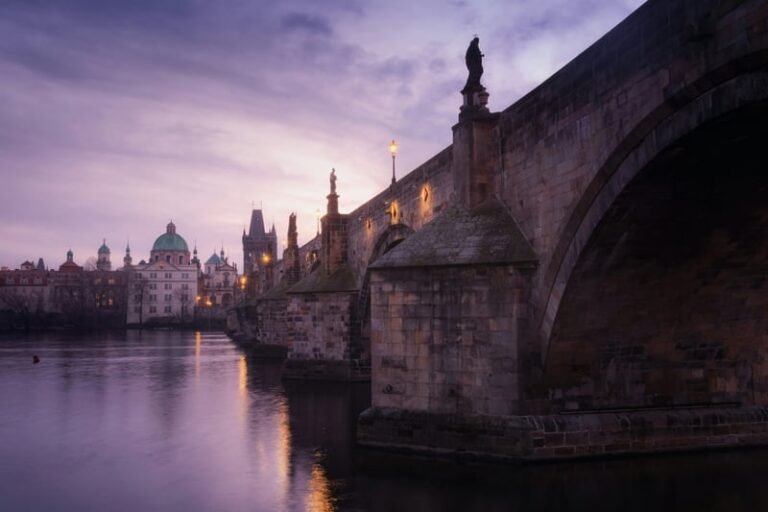
2. Walk Across Charles Bridge at Dawn
This 14th-century Gothic bridge is lined with thirty baroque statues of saints. By mid-morning it is packed, so come before 7am, when the light is soft and you will have it almost to yourself.
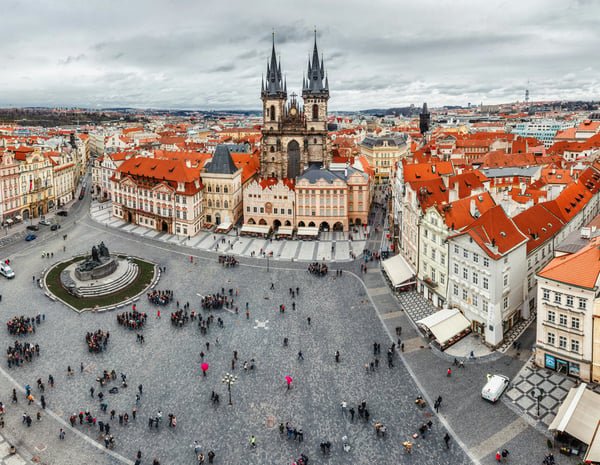
3. Watch the Astronomical Clock on Old Town Square
The medieval Astronomical Clock performs on the hour, framed by the twin spires of the Týn Church. For the best view of the square, climb the Old Town Hall Tower.
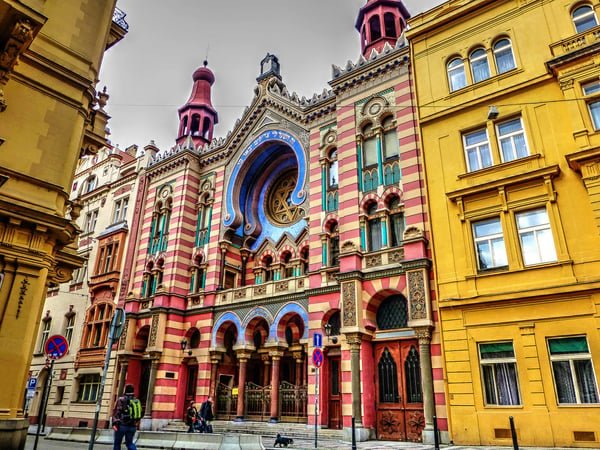
4. Discover the Jewish Quarter
Josefov holds some of Europe’s best-preserved Jewish heritage, including the moving Pinkas Synagogue memorial and the Old Jewish Cemetery. A guided visit adds valuable context.
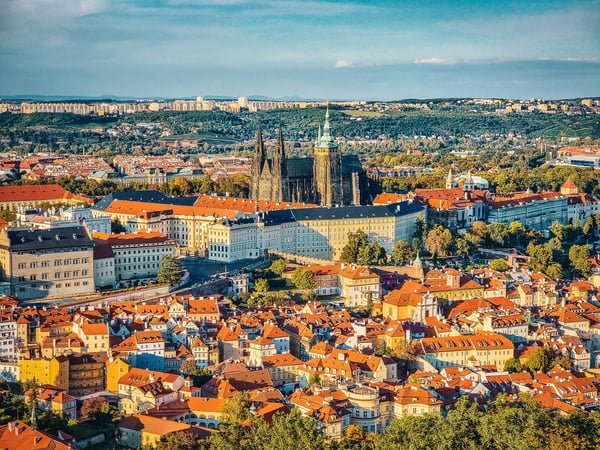
5. Climb Petřín Hill for the View
Take the funicular up through orchards and gardens, then climb the 299 steps of the Petřín Lookout Tower for a panorama over the castle and the spires of the Old Town.
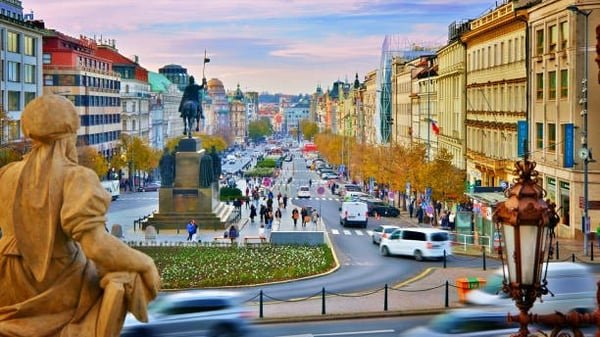
6. Stroll Wenceslas Square and the New Town
A grand boulevard of art nouveau and functionalist buildings, anchored by the National Museum. Continue to the Dancing House on the river for a taste of modern Prague.
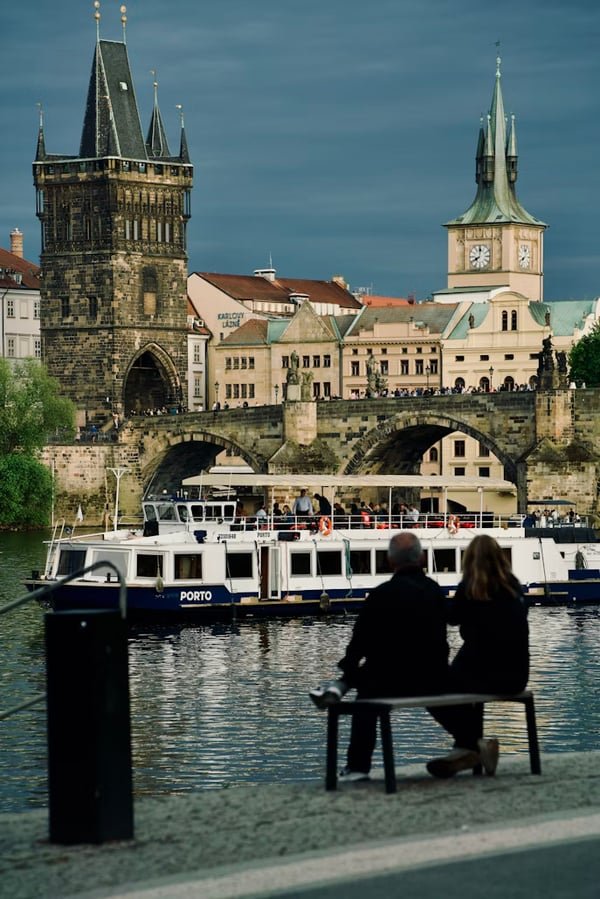
7. Cruise the Vltava at Dusk
A private or small-group river cruise at sunset shows the castle and bridges at their most beautiful. Follow it with a walk around Kampa Island, Prague’s “Little Venice”.
Book Prague Tours & Experiences
Prague Castle tours, Vltava dinner cruises, classical concerts and day trips to Český Krumlov, or a private local guide who plans the day around you.
Prague Tours & TicketsPrivate Prague GuidesLuxury Experiences in Prague
- A classical concert: hear Dvořák, Smetana or Mozart in historic halls such as the Rudolfinum, the Municipal House or a baroque church.
- A private sunrise photo session on Charles Bridge, before the crowds arrive.
- A spa afternoon at a heritage hotel, such as the Mandarin Oriental, set in a former monastery.
- The Klementinum Library: one of the most beautiful baroque libraries in the world, visited by guided tour.
- A private walking tour with a local historian, tailored to architecture, music or the city’s Jewish heritage.
Best Photo Spots in Prague
- Charles Bridge at sunrise, before 7am.
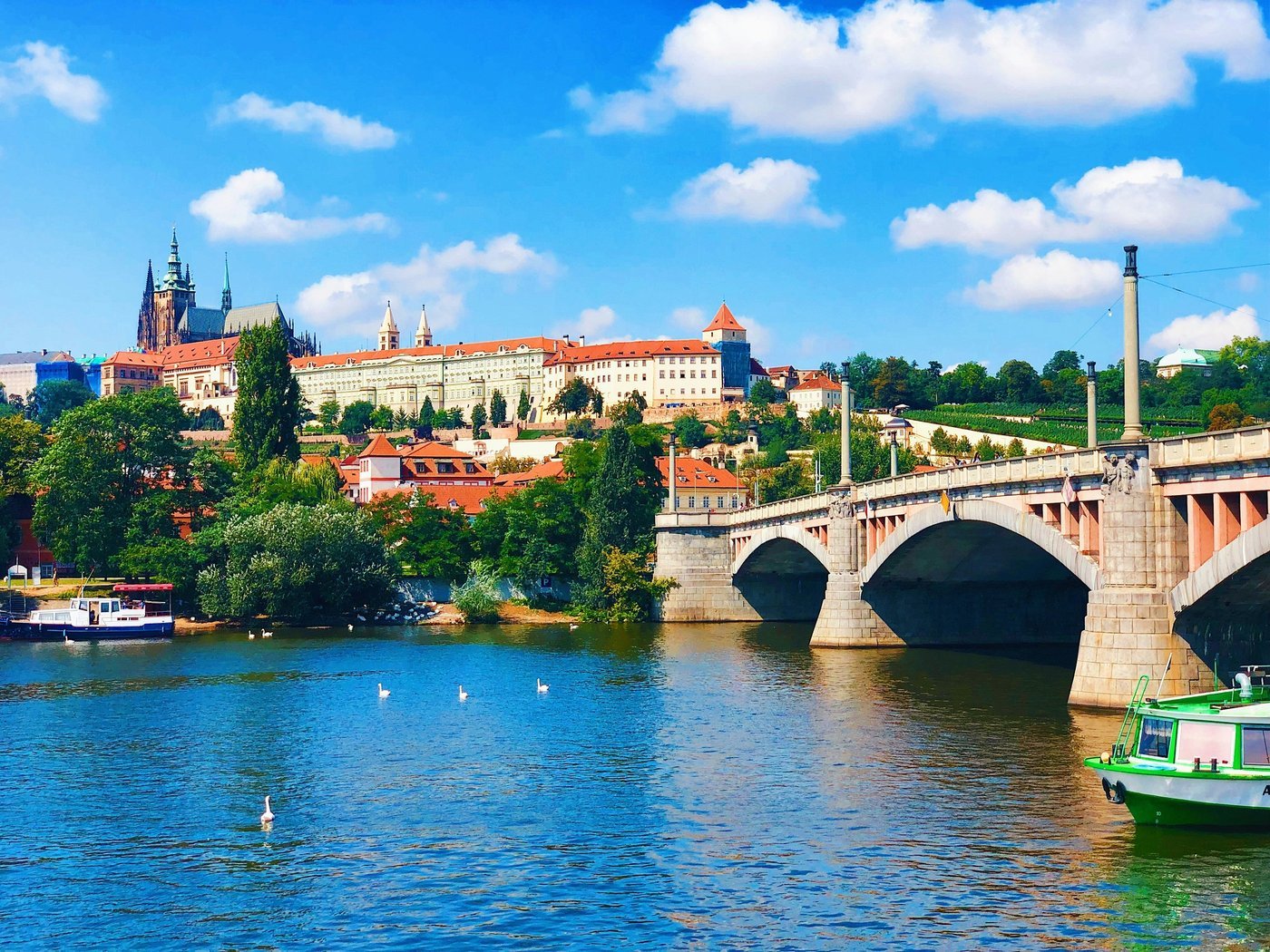
- Prague Castle from Kampa Island or from the river.
- Golden Lane early in the morning.
- U Lužického semináře, an ivy-draped lane in Malá Strana.
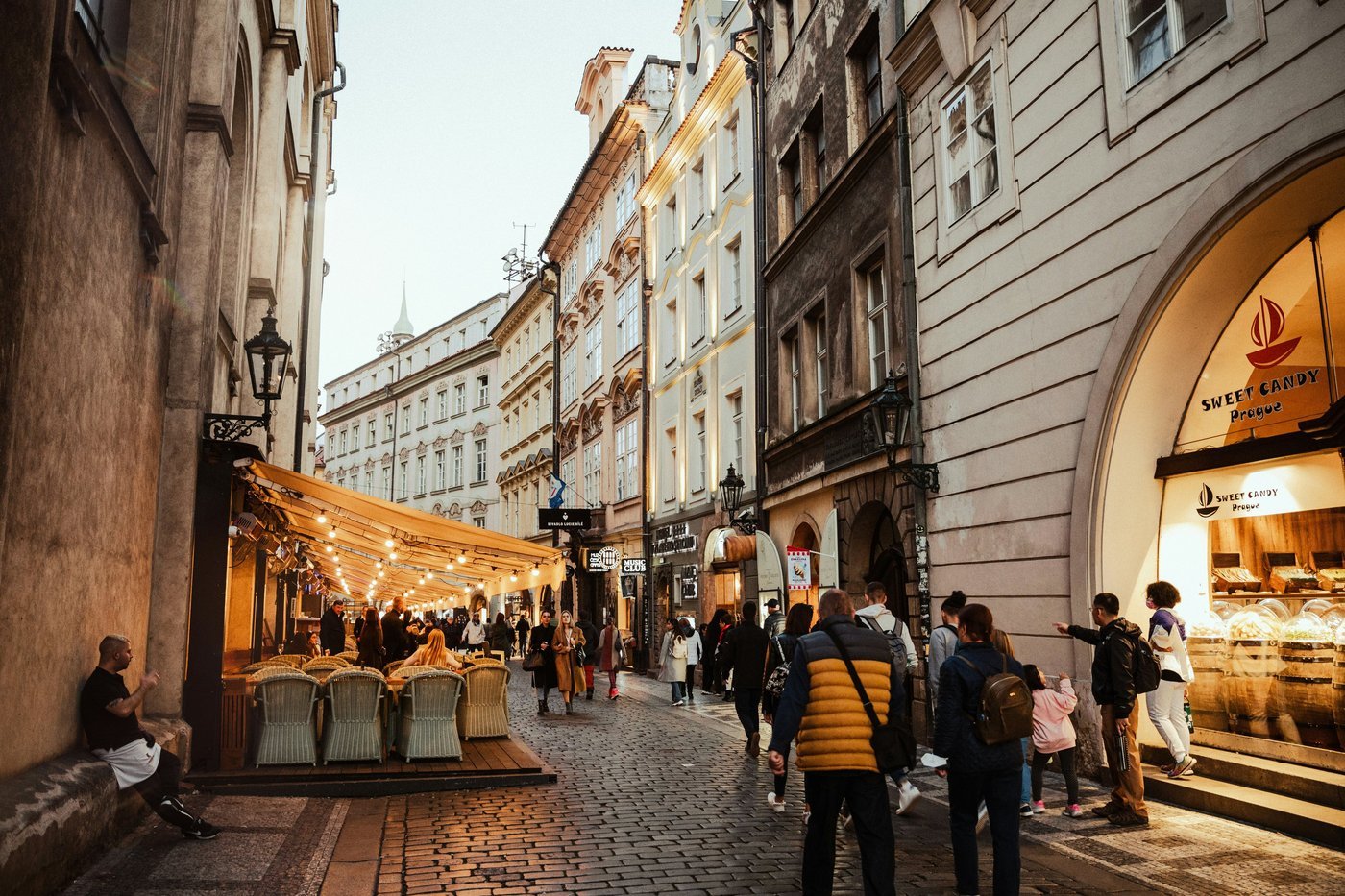
- Old Town Square at dusk, as the lights come on.
- Wenceslas Square in the early morning.
Best Time to Visit Prague
- Spring (April to June): mild weather, blossoming gardens and manageable crowds.
- Summer (July to August): warm and lively, ideal for river cruises and terraces, but crowded and pricier.
- Autumn (September to October): golden light, fewer visitors and pleasant walking weather.
- Winter (November to March): Christmas markets from late November through December. January and February are cold, quiet and the best value.
Best overall: April to June or September to October. For festive magic, visit in early December for the Christmas markets.
Recommended Hotels in Prague
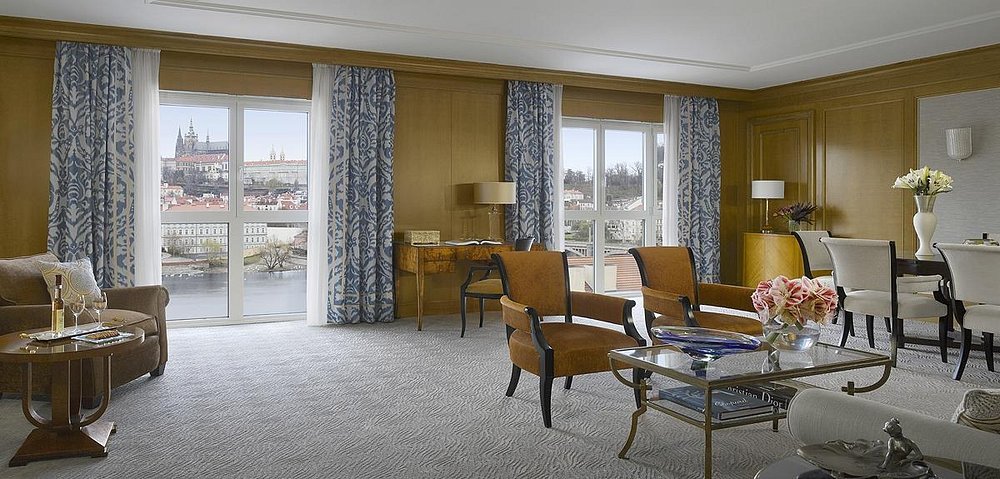
On the riverbank beside Charles Bridge, with rooms looking across the Vltava to Prague Castle. One of the best views in the city.
Check availabilityA former monastery in Malá Strana, with a celebrated spa in a converted chapel and a calm, refined atmosphere.
Check availabilitySet in a 13th-century monastery complex beneath the castle, with its own brewing heritage and quiet courtyards.
Check availabilityBaroque opulence in Malá Strana, with frescoed ceilings, antiques and an atmospheric spa.
Check availabilityA restored Art Deco building in the New Town, with contemporary design and a relaxed, stylish feel.
Check availabilityAn art nouveau landmark beside the Municipal House, moments from Old Town Square.
Check availabilityOther excellent choices include the W Prague on Wenceslas Square, the courtyard-centred Grand Mark Prague, the music-themed Aria Hotel in Malá Strana, and the design-led Hotel Josef in the Jewish Quarter. Compare current rates on Booking.com or Expedia.
What to Eat and Drink in Prague
- Svíčková: braised beef in a creamy vegetable sauce with bread dumplings and cranberries, the national favourite.
- Vepřo-knedlo-zelo: roast pork, dumplings and sauerkraut, Czech comfort food at its best.
- Goulash and kulajda: a rich beef stew, and a creamy dill and mushroom soup.
- Smažený sýr: fried cheese, a guilty pleasure best with tartar sauce and a cold beer.
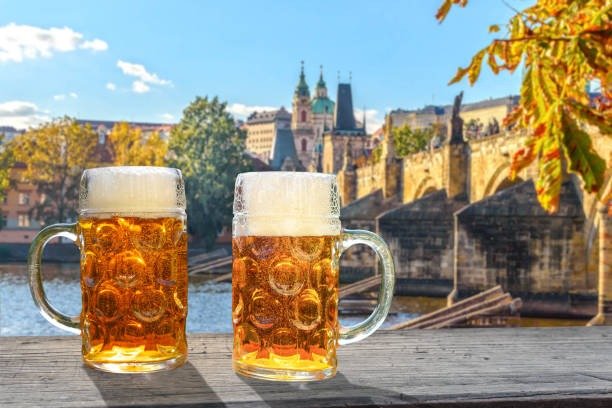
- Beer: Czechs drink more beer per person than anyone. Try unpasteurised Pilsner Urquell from the tank at a traditional pub.
- Trdelník: the chimney cake sold all over the Old Town. Fun to try, though it is a tourist treat rather than a Czech tradition.
Pub etiquette: in a traditional hospoda, the waiter will keep bringing fresh beer until you place a beer mat on top of your glass.
Where to Eat and Drink in Prague
Fine dining
- La Degustation Bohême Bourgeoise (Old Town): a Michelin-starred tasting menu that reinvents 19th-century Bohemian recipes. Allow about three hours.
- Field (Old Town): seasonal, foraged Czech cooking in a relaxed setting.
- Štangl (Karlín): an open kitchen showcasing Czech produce.
- Casa de Carli (Old Town): relaxed Northern Italian cooking.
Grand cafés
- Café Savoy: a beautiful setting for breakfast. Arrive before 10am on weekdays.
- Café Imperial: a dazzling tiled art nouveau interior in the New Town.
- Café Slavia: open since 1884, opposite the National Theatre, with views of the river and the castle.
Beer and drinks with a view
- Lokál Dlouhááá (Old Town): fresh tank Pilsner Urquell and well-made Czech classics.
- Terasa U Zlaté Studně (Malá Strana): a terrace with sweeping views over the rooftops. Reserve for sunset.
Book Michelin-starred restaurants several weeks ahead, and reserve popular restaurants for weekend evenings.
A 3-Day Prague Itinerary
- Day 1, Old Town: Old Town Square and the Astronomical Clock, the Týn Church, the Klementinum Library, Charles Bridge, and an evening classical concert.
- Day 2, Castle District: Prague Castle, St. Vitus Cathedral and Golden Lane in the morning, the Wallenstein Gardens and Malá Strana in the afternoon, then a spa or a terrace at sunset.
- Day 3, New Town and the river: Wenceslas Square, the National Museum and the Dancing House, then Kampa Island and a sunset cruise on the Vltava.
- Days 4 and 5: a day trip to Český Krumlov or Karlštejn Castle, and a slow day in Vinohrady’s cafés and wine bars.
Practical Prague Tips
- Getting there: Václav Havel Airport is about 30 minutes from the centre. A private transfer is the smoothest option, and ride-share apps are reliable. Trains connect Prague with Vienna, Berlin and Budapest.
- Entry: the Czech Republic is in the Schengen Area. Check the current rules for your passport before you travel.
- Money: the currency is the Czech koruna (CZK), not the euro. Pay by card where possible, use bank ATMs, and avoid exchange offices in tourist areas.
- Public transport: buy tram and metro tickets before boarding and validate them. Inspectors are common.
- Taxis: use ride-share apps or ask your hotel to book. Avoid hailing taxis in tourist areas.
- Tipping: about 10% in restaurants; round up in pubs and cafés.
- Closures: many businesses close from 24 to 26 December and on New Year’s Day, and many museums close on Mondays.
- Safety: Prague is very safe, but watch for pickpockets on trams and around Charles Bridge.
Stay connected: buy an eSIM before you fly so maps, tickets and restaurant bookings work from the moment you land.
Prague Travel FAQ
How many days do you need in Prague?
Three days covers the essentials: the Old Town, Prague Castle and the New Town. Four to five days lets you explore at a slower pace and add a day trip to Český Krumlov or Karlštejn Castle.
What is the best area to stay in Prague?
Malá Strana is the most elegant and peaceful area, close to the castle and Charles Bridge. The Old Town is best for convenience, while Vinohrady and Karlín offer better value and local atmosphere.
When is the best time to visit Prague?
April to June and September to October offer the best balance of weather and crowds. Late November to December is magical for the Christmas markets, while January and February are the quietest and best value.
Does Prague use the euro?
No. The Czech Republic uses the Czech koruna (CZK). Cards are widely accepted, and bank ATMs give better rates than exchange offices in tourist areas.
Is Prague expensive?
Prague is good value compared with Paris, London or Vienna. Luxury hotels, fine dining and concerts cost noticeably less, although prices in the Old Town are higher than elsewhere in the city.
Continue Planning
Book Hotels, Tours and Transfers Anywhere in the World
Our guides focus on eleven destinations, but our trusted travel partners can book hotels, tours, private guides and airport transfers almost anywhere on the planet.
or Hotels, Flights & Transfers Worldwide →