
Lisbon Travel Guide: Where to Stay, What to Do & How to Plan Your Trip
Portugal's Enchanting Capital of Seven Hills
Lisbon is a city that rewards travellers who slow down. Its tiled façades, steep cobbled streets, historic trams and sweeping viewpoints are part of the attraction, but the best Lisbon trips come from knowing how to put those experiences together.
For a first visit, three to four days gives you enough time to explore the historic centre, wander through Alfama and Baixa, experience Belém, enjoy Lisbon's food and viewpoints, and still leave room for a day trip to Sintra if your schedule allows.
This guide focuses on the decisions that matter most when planning your trip: where to stay, how long to spend, what is genuinely worth seeing, how to get around, when to visit, and how to organise your days without trying to do too much.
If this is your first trip to Lisbon, start with the planning essentials below, then use the detailed sections to build a trip that suits your pace and interests.
Lisbon at a Glance
Best for: Culture, food, historic neighbourhoods, viewpoints and relaxed city breaks
Ideal first trip: 3–4 days
Best areas for first-time visitors: Baixa, Chiado and Príncipe Real
Best for historic atmosphere: Alfama
Best months for comfortable sightseeing: April–June and September–October
Getting around: Walking, metro, trams, buses and funiculars
Popular day trip: Sintra
Don't miss: Alfama, Belém, Lisbon's miradouros and an evening experiencing traditional Portuguese food and music
How Many Days Do You Need in Lisbon?
For most first-time visitors, three to four days is the sweet spot for Lisbon. Three days gives you enough time to experience the historic centre, Alfama, Belém and several of the city's best viewpoints without rushing. A fourth day gives you room for Sintra or a slower day exploring neighbourhoods, food and museums.
2 days: Best for a short city break. Focus on Baixa and Chiado, Alfama and São Jorge Castle, then use your second day for Belém and a few favourite viewpoints.
3 days: A strong choice for a first visit. You'll have time for Lisbon's essential neighbourhoods and attractions while still enjoying cafés, local food and evenings without turning the trip into a checklist.
4 days: Our preferred length for a first Lisbon trip. Spend three days exploring the city and use the fourth for Sintra, or keep all four days in Lisbon for a more relaxed experience.
5 days or more: Ideal if you want to explore Lisbon slowly and add destinations such as Sintra, Cascais or the coast without sacrificing time in the city.
If you're deciding between three and four days, choose four days when possible. Lisbon's hills, neighbourhoods and café culture reward a slower pace, and trying to combine the historic centre, Belém and Sintra into too little time can make an otherwise relaxed city feel rushed.
Where to Stay in Lisbon
Choosing the right neighbourhood can make a big difference to your Lisbon trip. For a first visit, staying centrally makes it easier to explore on foot and reduces the amount of time spent travelling between attractions.
Baixa — Best for first-time visitors: Lisbon's historic downtown puts you close to Praça do Comércio, Rossio, the waterfront and excellent transport connections. It's convenient, central and particularly good if you want major sights within easy reach.
Chiado — Best for restaurants, shopping and atmosphere: Elegant and lively, Chiado combines historic streets with cafés, restaurants, theatres and shops. It's one of the best all-round choices for travellers who want to be central without staying in the busiest part of Baixa.
Alfama — Best for historic character: Choose Alfama if winding lanes, tiled buildings, viewpoints and traditional Lisbon atmosphere matter more to you than convenience. It's wonderfully atmospheric, but the steep streets and limited vehicle access can make it less practical with heavy luggage or mobility concerns.
Príncipe Real — Best for a stylish, quieter stay: This attractive neighbourhood offers restaurants, boutiques and leafy streets while remaining within reach of central Lisbon. It's a strong choice for couples and travellers looking for a more relaxed base.
Avenida da Liberdade — Best for luxury hotels: Lisbon's grand boulevard is home to many upscale hotels and provides easy access to the centre while offering a more polished, spacious environment.
Belém — Best for a quieter stay away from the centre: Belém puts major monuments and the Tagus waterfront nearby, but it's less convenient for exploring Lisbon's central neighbourhoods in the evening. For most first-time visitors, we prefer staying closer to Baixa, Chiado or Alfama.Write your text here...
Our pick for a first trip: Choose Baixa or Chiado if convenience is your priority. Choose Alfama if atmosphere matters most.
Or compare on Expedia
What to Do in Lisbon: Essential Experiences
Lisbon has enough attractions to fill a week, but a first trip doesn't need to become a race between landmarks. Concentrate on the experiences that reveal the city's character: its historic neighbourhoods, riverfront heritage, viewpoints, food and distinctive way of moving through the hills.
1. Wander Through Alfama and Visit São Jorge Castle
Start with Lisbon's oldest and most atmospheric streets. Alfama is best explored without a rigid route: walk its narrow lanes, stop at small squares and viewpoints, and gradually make your way towards São Jorge Castle. The castle adds history and broad views across Lisbon and the Tagus, but the neighbourhood itself is as important as the monument.
2. Explore Baixa and Chiado
Baixa is Lisbon's grand historic centre, with Praça do Comércio opening onto the Tagus, pedestrian streets, squares and easy connections to other parts of the city. Continue uphill towards Chiado for cafés, shops and a more elegant urban atmosphere. Together, Baixa and Chiado make an excellent introduction to central Lisbon.
3. Spend Half a Day in Belém
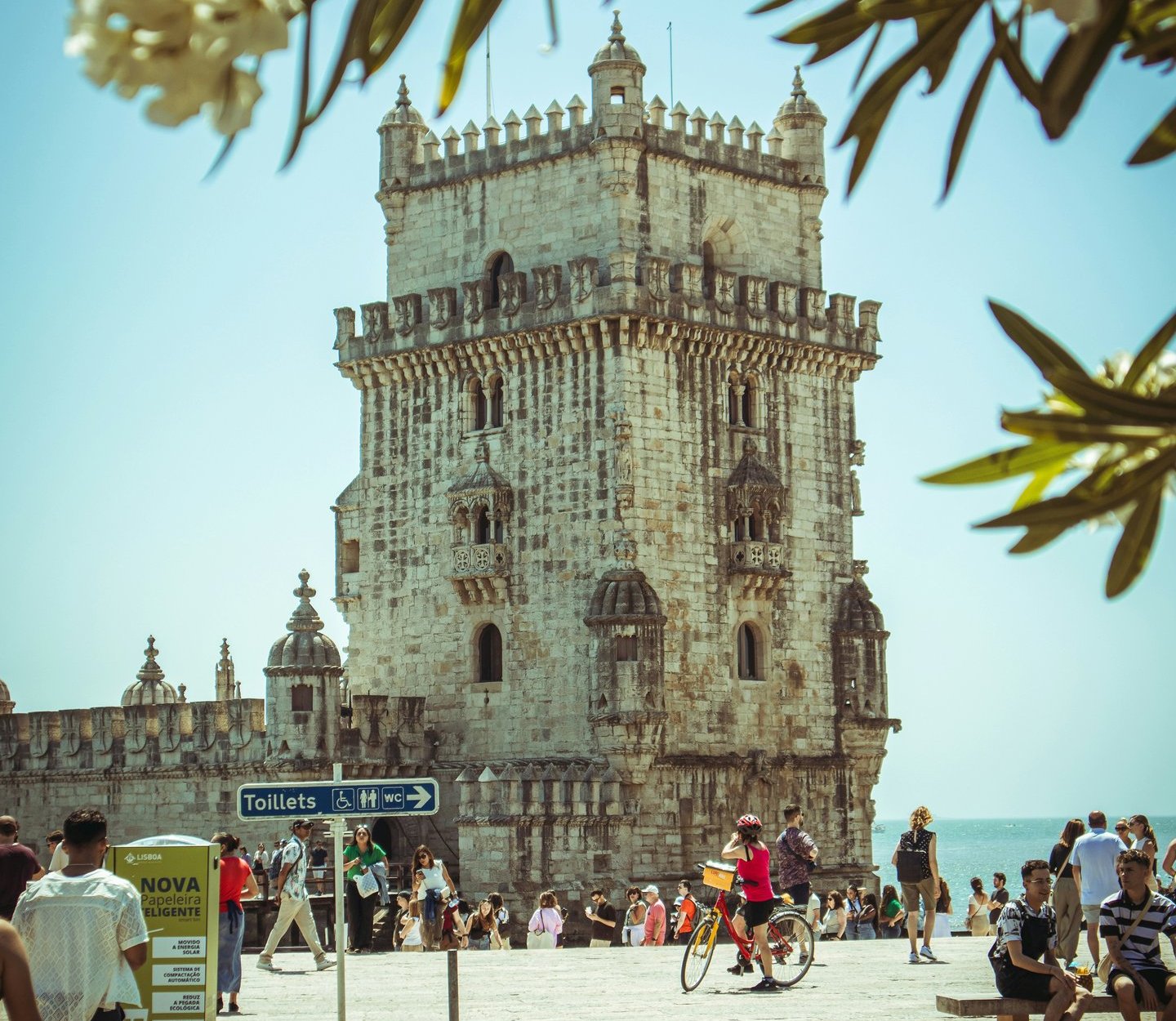
Belém deserves more than a quick photo stop. Its major sights include the Jerónimos Monastery, Belém Tower and the riverfront monuments associated with Portugal's maritime history. Allow time to walk along the Tagus and, of course, stop for a pastel de nata. The Jerónimos Monastery and Belém Tower are UNESCO World Heritage monuments.
4. See Lisbon From a Miradouro
Lisbon's hills create one of the city's great pleasures: stopping at a miradouro and watching the rooftops, castle and river below. Rather than trying to visit every viewpoint, choose one or two and stay awhile. A viewpoint around sunset can be more memorable than squeezing another attraction into the itinerary.
5. Experience Lisbon's Historic Trams
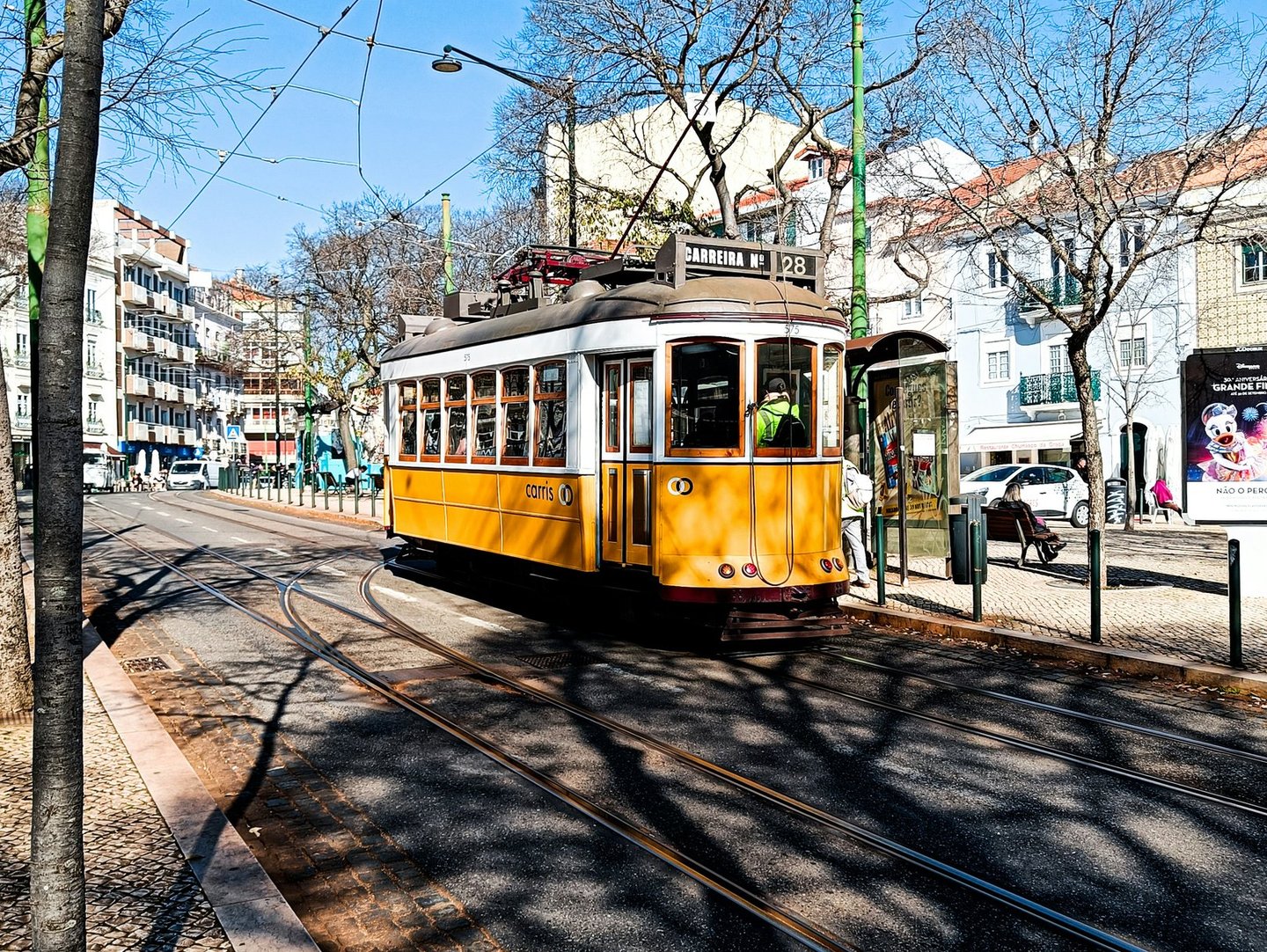
Lisbon's trams are part transport and part city experience. Tram 28 is the famous route through several historic neighbourhoods, but you don't need to ride the entire route to enjoy Lisbon's tram culture. If the most popular services are crowded, walking part of the route and using other public transport can be a more enjoyable way to explore.
6. Make Time for Portuguese Food and Fado
Lisbon is a city to experience at the table. Try pastéis de nata, seafood, bacalhau and traditional Portuguese dishes, and leave at least one evening unhurried. If fado interests you, experiencing it in one of Lisbon's historic neighbourhoods adds another dimension to the city beyond sightseeing. Portugal's official tourism guide also highlights fado and Lisbon's food culture among the city's signature experiences.
7. Take a Day Trip to Sintra
If you have four days in Lisbon, Sintra is our first choice for a day trip. Its palaces, historic centre and wooded landscape feel completely different from Lisbon and make it worth dedicating most of a day rather than squeezing it into a few hours.


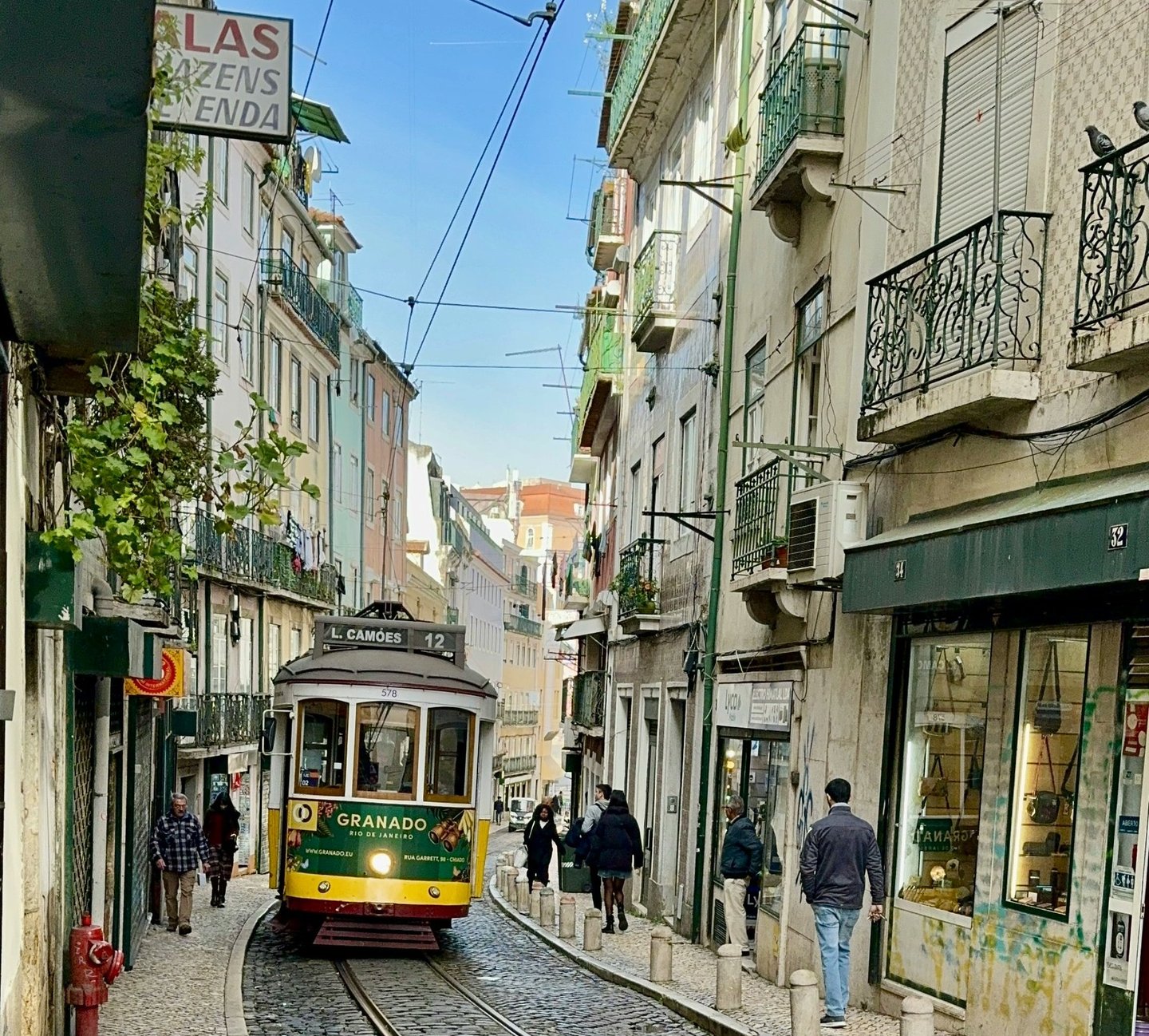
Historic neighborhoods preserve centuries of Portuguese character through azulejos and medieval streets


Pastel de nata represents Lisbon's iconic culinary tradition
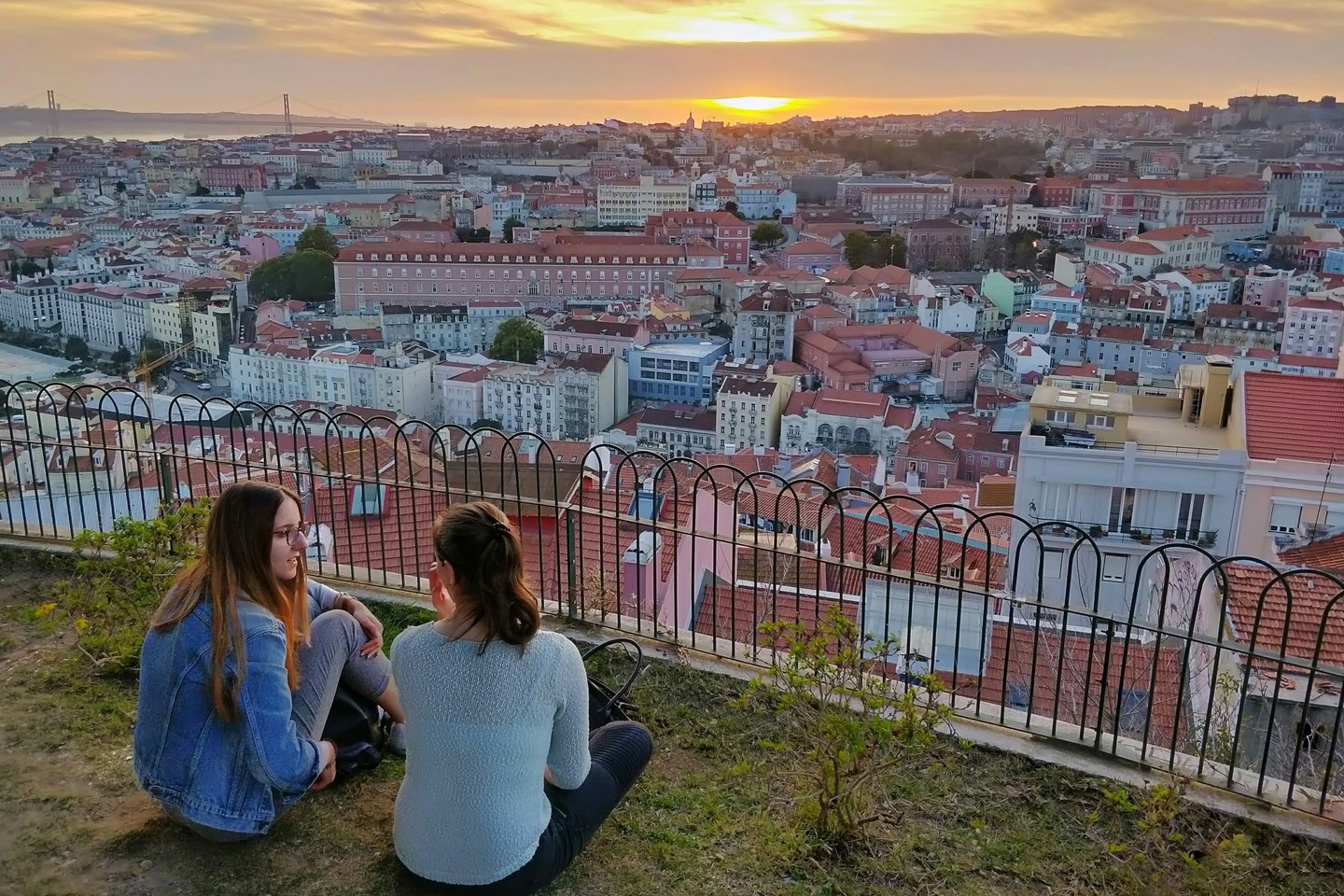
Lisbon offers exceptional value with rooftop bars and quality experiences at accessible prices
Explore With a Local Expert
Some destinations reveal their true character when explored with someone who knows them well. Whether you're looking for hidden neighbourhoods, local food recommendations, or a personalised itinerary, a knowledgeable local guide can help you experience the destination beyond the usual tourist highlights.
Lisbon comes alive through experiences—guided tours, food walks, and cultural excursions that reveal the city’s soul.
Browse Lisbon experiences on GoWithGuide
Best Time to Visit Lisbon
For most first-time visitors, the best time to visit Lisbon is April to May or September to October. These months usually offer a good balance of pleasant weather, manageable crowds and comfortable sightseeing conditions.
Spring (March–May): One of the best periods for Lisbon. April and May are particularly appealing for walking the city's hills, exploring neighbourhoods and enjoying outdoor cafés before the busiest summer period.
Summer (June–August): Expect warm, dry weather, long days and the largest crowds. June is especially lively during Lisbon's traditional festivals. Summer works well if sunshine and nightlife matter more to you than lower prices and quieter attractions.
Autumn (September–November): September and October are excellent alternatives to spring. The weather is generally pleasant, the city becomes less crowded after the summer peak, and sightseeing remains comfortable.
Winter (December–February): Lisbon remains relatively mild compared with much of Europe, but expect cooler temperatures and more rain. The advantage is fewer visitors and often better accommodation value.
Our pick: Visit in April–May or September–October for the best overall combination of weather, crowds and sightseeing.
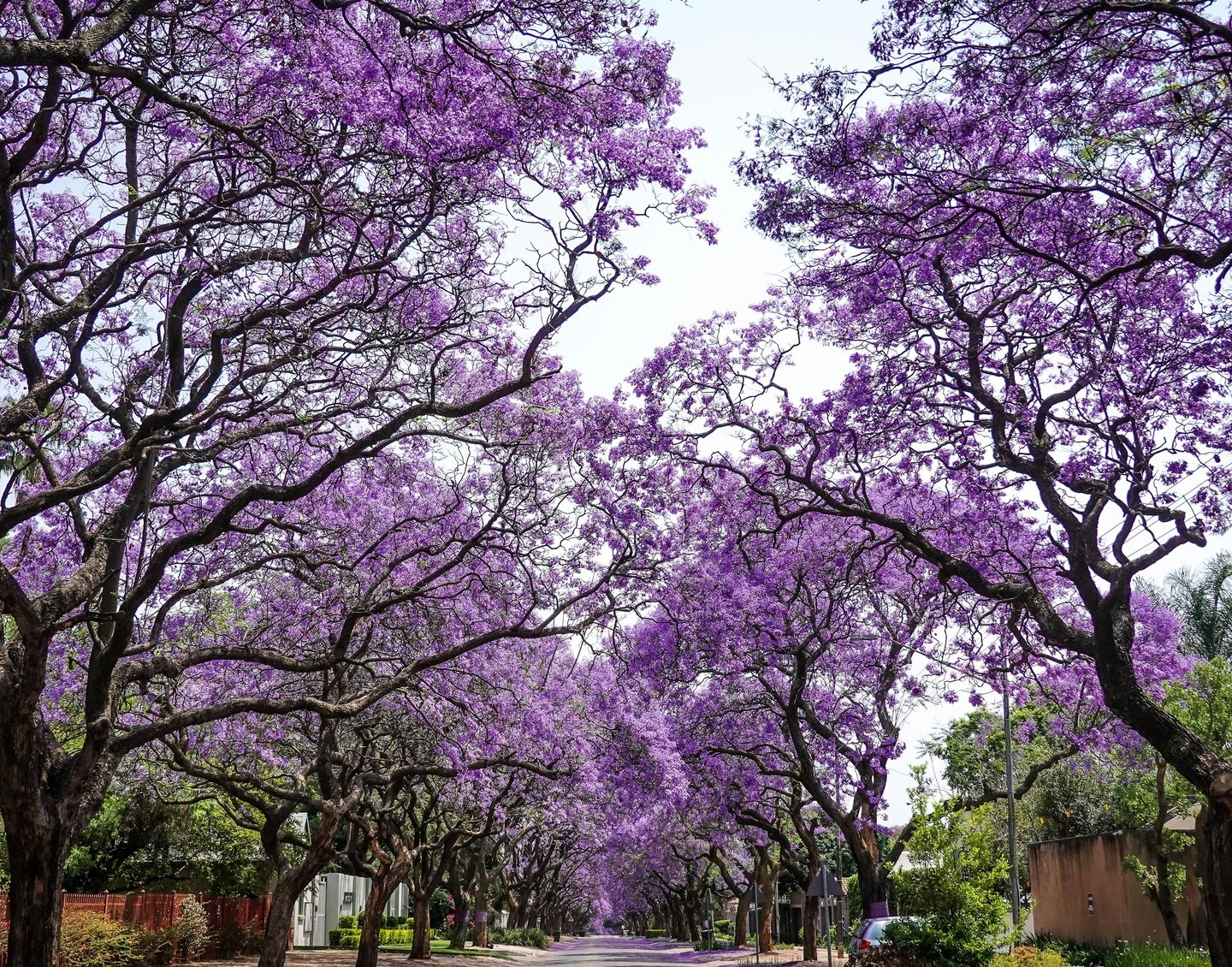
Lisbon enjoys 300 days of sunshine annually with spring and fall offering ideal conditions
More Places Worth Visiting in Lisbon
Oceanário de Lisboa and Parque das Nações
The 1998 World Expo transformed eastern Lisbon waterfront into modern district with contemporary architecture, riverside promenades, and the Oceanário—one of Europe's finest aquariums featuring massive central tank visible from multiple levels housing sharks, rays, and fish from four oceanic habitats. The architecture by Peter Chermayeff creates immersive experience emphasizing marine biodiversity and conservation. The surrounding Parque das Nações offers cable car rides over Tagus River, science museum, shopping center, gardens, and restaurants with more modern, less touristy atmosphere than central Lisbon. The district appeals to families with children, architecture enthusiasts, and those wanting contrast to historic neighborhoods. The metro connection makes access easy, and the riverside setting provides pleasant walking even when attractions don't appeal.


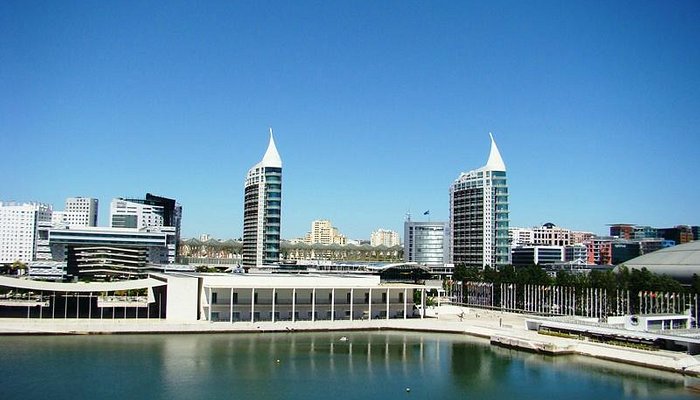
On the left, Oceanário de Lisboa, a must-see attraction. On the right, the new modern suburb of Parque das Nações
LX Factory and Contemporary Culture
Beneath the 25 de Abril Bridge in Alcântara, LX Factory has transformed a former industrial complex into a creative district of restaurants, cafés, independent shops, bookshops and galleries. It's an enjoyable stop if you want to see Lisbon's contemporary side rather than another historic monument.
Bairro Alto and Nightlife
Bairro Alto is relatively quiet during the day but becomes one of Lisbon's liveliest areas after dark. Its narrow streets fill with restaurants, small bars and traditional fado venues. For a first visit, come for dinner or an evening drink and combine it with nearby Chiado.
Time Out Market and Food Culture
Time Out Market Lisboa brings numerous food stalls and restaurants together inside the historic Mercado da Ribeira. It's convenient for sampling different Portuguese dishes in one place, although it can become very busy. The surrounding Cais do Sodré neighbourhood adds restaurants, bars and easy access to the Tagus waterfront.
Recommended Hotels in Lisbon
Once you've chosen the right neighbourhood, the next decision is where to stay. These Lisbon hotels cover different styles and budgets, from landmark luxury properties to smaller boutique stays and well-located hostels. Use them as a starting point, then compare current rates and availability for your travel dates.
Luxury: Four Seasons Hotel Ritz Lisbon
One of Lisbon’s landmark luxury hotels, Four Seasons Hotel Ritz Lisbon overlooks Eduardo VII Park and combines classic interiors with polished five-star service. Spacious rooms, an acclaimed spa, indoor and outdoor pools, and refined dining make it particularly well suited to travellers looking for a full luxury-hotel experience. Its location near Avenida da Liberdade also provides convenient access to central Lisbon while remaining slightly removed from the busiest tourist streets.
Luxury: Memmo Alfama Hotel
Set in the heart of Alfama, Memmo Alfama is a stylish boutique hotel for travellers who want to stay immersed in Lisbon’s historic centre. Contemporary interiors contrast beautifully with the surrounding old streets, while the terrace and pool offer views across the neighbourhood and Tagus River. Its intimate atmosphere and location within walking distance of Alfama’s viewpoints, restaurants and fado houses make it especially appealing to couples and travellers who prefer boutique character over a large luxury resort.
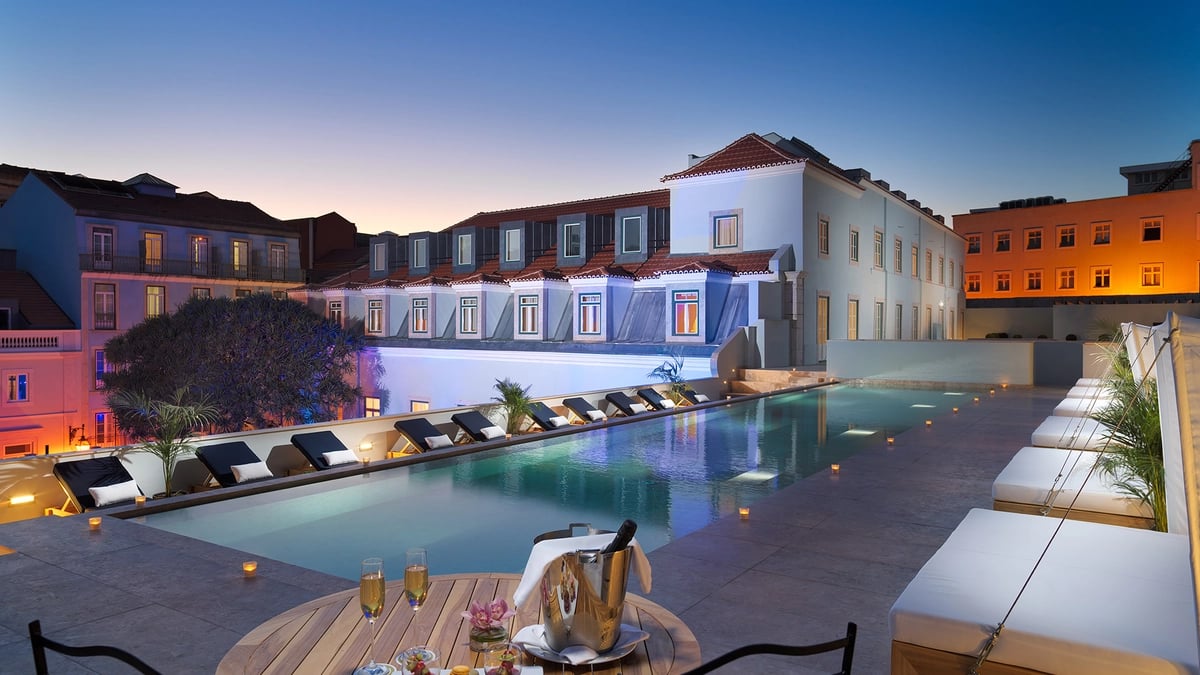
Lisbon hotels range from historic palaces to contemporary boutique properties
Mid-Range: Casa do Príncipe
Set in the elegant Príncipe Real neighbourhood, Casa do Príncipe is a character-filled guesthouse combining historic Portuguese details with comfortable contemporary touches. Its location puts travellers close to gardens, cafés, restaurants and independent shops, with Bairro Alto and central Lisbon within easy reach. It is particularly well suited to visitors looking for a smaller, more personal stay in one of Lisbon’s most attractive neighbourhoods rather than a conventional large hotel.
Mid-Range: Dear Lisbon Gallery House
Dear Lisbon Gallery House combines contemporary design with an intimate guesthouse atmosphere in the Chiado area. Its central location makes it convenient for exploring many of Lisbon’s major sights on foot, while nearby restaurants, cafés, shops and cultural attractions provide plenty to experience close to the property. It is a particularly good choice for travellers who value distinctive design, a smaller-scale stay and a central location without choosing a traditional luxury hotel.
Budget: Lost Inn Lisbon Hostel
Located close to Cais do Sodré, Lost Inn Lisbon is a practical option for budget-conscious travellers who still want a central base. Its location provides easy access to public transport, the waterfront, restaurants and nightlife, while many central Lisbon attractions are within walking distance. It is particularly well suited to solo travellers and younger visitors who value a social atmo
Budget: Lisbon Destination Hostel
Located inside the historic Rossio railway station, Lisbon Destination Hostel offers an unusually central base for travellers exploring the city on a budget. Baixa, Chiado and many of Lisbon’s central attractions are within easy walking distance, while Rossio’s transport connections make it convenient for exploring farther afield. It is particularly well suited to solo travellers and visitors who want a social hostel experience without sacrificing a prime central location.
Book on Booking.com | Expedia | Trip.com
Find tours on GoWithGuide
Lisbon Culinary Highlights
Lisbon is a city best discovered through its food. From warm pastéis de nata and Atlantic seafood to neighbourhood tascas, petiscos and evenings accompanied by fado, these are some of the flavours and dining experiences worth seeking out during your stay.
Pastel de Nata and Traditional Pastries
No visit to Lisbon feels complete without trying a pastel de nata, the city’s famous custard tart with crisp, flaky pastry and a caramelised top. Pastéis de Belém is the historic name most visitors know, while bakeries and pastelarias across Lisbon offer their own versions. Enjoy one warm with coffee, perhaps dusted with cinnamon, and leave room to discover other traditional Portuguese pastries along the way.
Seafood and Bacalhau
Lisbon’s Atlantic location makes seafood an essential part of the city’s food culture. Look for grilled sardines, octopus, clams and freshly prepared fish, particularly in traditional neighbourhood restaurants and seafood houses. Bacalhau — salted cod prepared in countless Portuguese styles — is another classic worth trying, from simple grilled dishes to comforting recipes such as bacalhau à Brás. Rather than trying to sample everything, choose a few traditional dishes and enjoy them somewhere locals gather for a relaxed meal.


Fresh seafood/bacalhau and traditional Portuguese cuisine define Lisbon's food culture
Traditional Tascas and Petiscos
For a more traditional Lisbon dining experience, seek out a neighbourhood tasca — an informal Portuguese restaurant where the emphasis is usually on straightforward cooking and a relaxed atmosphere. Petiscos, Portugal’s answer to small sharing plates, are another enjoyable way to explore local flavours, with dishes such as cheeses, cured meats, garlic prawns and other regional specialities. Tascas are particularly rewarding away from the busiest tourist streets, where a simple meal can become one of the most memorable experiences of the trip.
Fado and Dining
An evening of fado can be one of Lisbon’s most memorable cultural experiences. In neighbourhoods such as Alfama and Bairro Alto, traditional fado houses combine Portuguese food with intimate performances of the country’s distinctive, emotionally expressive music. Some venues focus heavily on the performance while others offer a complete dinner experience, so it is worth checking the format before booking. For first-time visitors, a carefully chosen fado evening offers a memorable way to experience Lisbon after dark.
Wine and Ginjinha
Lisbon is also an excellent place to explore Portuguese wine, with restaurants and wine bars offering bottles from regions across the country. Look for wines from the Douro, Alentejo, Dão and nearby Setúbal Peninsula, and don't overlook Portugal's sparkling and fortified wines. For something distinctly Lisbon, try ginjinha, the traditional sour-cherry liqueur served in small glasses at specialist bars around the historic centre. A glass after dinner — or while exploring central Lisbon — is a simple local tradition worth experiencing.
Practical Lisbon Tips
Visa and Entry Requirements
Entry requirements for Portugal depend on your nationality and the length and purpose of your stay. Portugal is part of the Schengen Area, and many visitors can enter for short tourist stays without obtaining a visa in advance. Passport validity and other entry conditions may apply, so travellers should always check the latest official requirements for their nationality before departure.
Getting Around Lisbon
Lisbon has an extensive public transport network of metro trains, buses, trams and funiculars connecting the city centre with major neighbourhoods and attractions. The historic Tram 28 is particularly popular with visitors, winding through districts such as Graça, Alfama and Baixa. Lisbon’s famous funiculars and the Elevador de Santa Justa also help travellers navigate the city’s steep hills. A rechargeable Navegante card can be used across much of the public transport network. Walking is one of the best ways to experience central Lisbon, although comfortable shoes are essential because of the hills and cobblestone streets. Taxis and ride-hailing services are widely available, and most visitors will not need to rent a car while staying in central Lisbon.
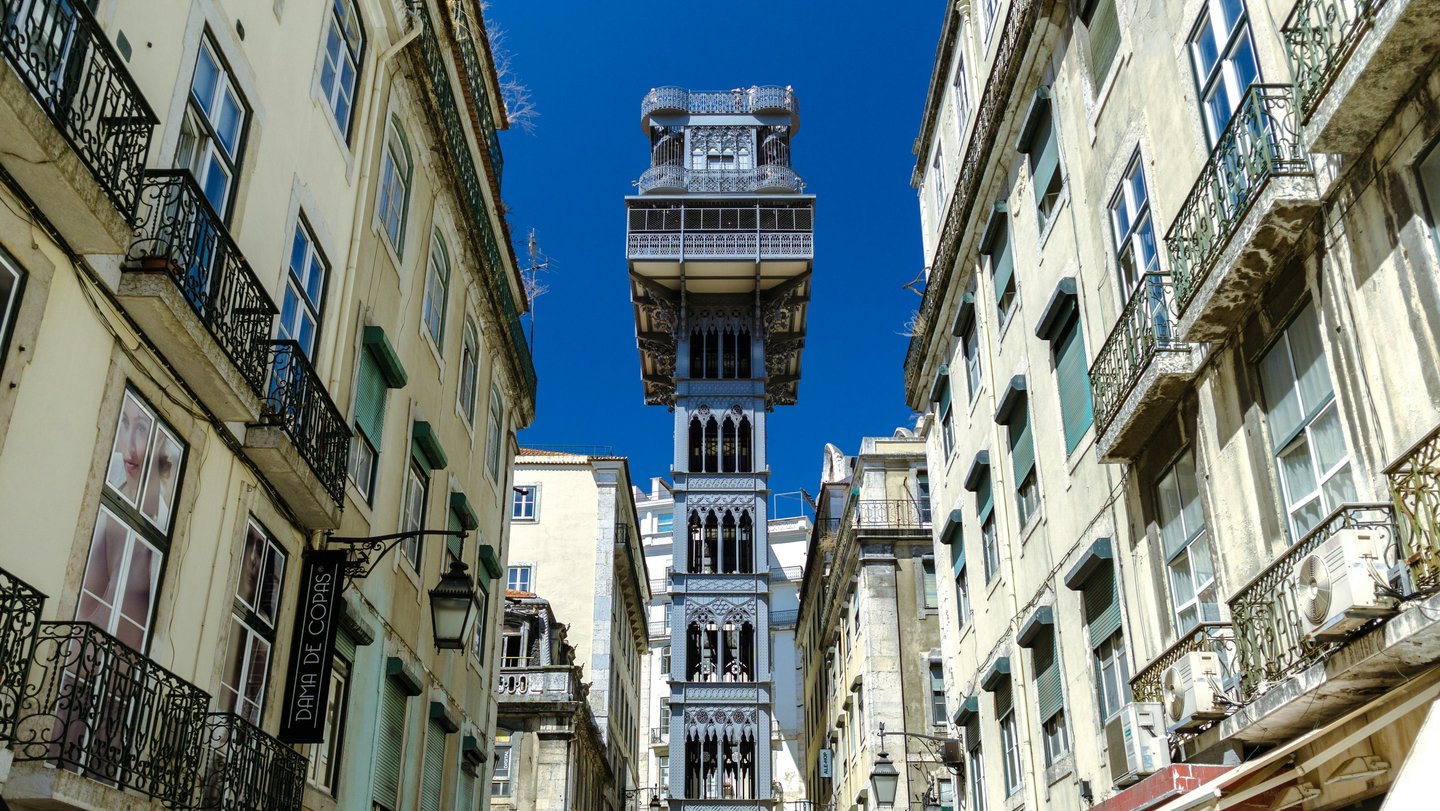
Historic elevators and funiculars help navigate Lisbon's seven hills
Hills, Cobblestones, and Footwear
Lisbon is famously hilly, and many historic streets are paved with traditional calçada portuguesa stone. Comfortable walking shoes with good grip are highly recommended, particularly because the polished paving stones can become slippery when wet. Travellers should allow extra time for steep routes and make use of Lisbon’s funiculars, elevators and public transport when needed. The hills can make exploring more demanding, but they are also responsible for many of the city’s spectacular viewpoints and distinctive neighbourhood landscapes.
Money and Costs
Portugal uses the euro (€), and credit and debit cards are widely accepted throughout Lisbon, although carrying a small amount of cash can be useful for traditional cafés, markets and smaller businesses. ATMs are readily available across the city. Tipping is appreciated for good service but is generally more modest than in some other destinations. Lisbon offers accommodation, dining and attractions across a broad range of budgets, although prices in popular central neighbourhoods and during peak travel periods can be considerably higher. Travellers looking for better value may benefit from booking accommodation early, eating at local tascas and neighbourhood restaurants, and using public transport rather than relying on taxis.
Language and Communication
Portuguese is the official language of Portugal, but English is widely spoken in Lisbon’s main tourist areas, hotels, restaurants and attractions. Learning a few basic Portuguese expressions can still be helpful and appreciated, such as bom dia (good morning), boa tarde (good afternoon), por favor (please) and obrigado/obrigada (thank you). Portuguese spoken in Portugal differs in pronunciation and vocabulary from Brazilian Portuguese, so travellers familiar with Brazilian Portuguese may notice some differences. Most visitors can navigate Lisbon comfortably without speaking Portuguese, but having a translation app available can be useful when visiting local markets, neighbourhood businesses or areas away from the main tourist districts.
Safety and Health
Lisbon is generally considered a safe destination for visitors, but normal precautions are advisable, particularly in busy tourist areas and on crowded public transport. Pickpocketing can occur around popular attractions and on busy trams, so keep valuables secure and remain aware of your belongings. Tap water is safe to drink, and pharmacies are widely available throughout the city. Portugal’s emergency number is 112 for police, ambulance and fire services. During warmer months, travellers should carry water, use sunscreen and take breaks from the midday heat when necessary. Visitors should also arrange appropriate travel insurance before their trip and check any health or medication requirements relevant to their individual circumstances.
Cultural Sensitivity and Local Customs
Portuguese culture tends to value courtesy and respectful behaviour, and a simple greeting such as bom dia or boa tarde before asking a question is appreciated. When visiting churches and religious sites, dress respectfully and remain mindful of services taking place. Dining often begins later than visitors from some countries may expect, particularly in the evening, so restaurant opening times are worth checking in advance. In residential neighbourhoods, be considerate of noise, especially late at night. Taking time to observe local customs and interact respectfully with residents can make exploring Lisbon a more rewarding experience.3
Best Times to Visit Specific Attractions
Lisbon’s most popular attractions are generally more enjoyable when visited early in the day or later in the afternoon, particularly during the busy summer season. São Jorge Castle and the historic neighbourhoods of Alfama are especially rewarding before the largest crowds arrive, while Tram 28 is often less congested outside peak sightseeing periods. Belém’s major monuments can become busy during the middle of the day, so visiting earlier can make exploring more comfortable. For a day trip to Sintra, an early start allows more time to explore its palaces, gardens and historic centre. Popular food destinations such as Time Out Market are also typically busiest around conventional lunch and dinner periods. Checking current opening hours and booking requirements before visiting major attractions is recommended.
Lisbon brings together historic neighbourhoods, distinctive architecture, traditional Portuguese cuisine, scenic viewpoints and easy access to memorable day trips such as Sintra. Whether you spend your time exploring Alfama’s narrow streets, discovering the monuments of Belém, riding the city’s historic trams or enjoying the waterfront, Portugal’s capital offers plenty to experience at almost any time of year. Plan your accommodation and key experiences in advance during busier travel periods, while leaving enough time to wander—the unexpected viewpoints, neighbourhood cafés and quieter streets are often among the most memorable parts of visiting Lisbon.
Hotels • Apartments • Vacation Rentals • Travel
Compare Lisbon stays on Expedia | Explore Lisbon tours with GoWithGuide
“© 2025-2026. All rights reserved.
This blog may contain affiliate links, which means I might earn a small commission, at no extra cost to you, if you decide to make a booking through one of these links. I only recommend products and services I actually use or genuinely believe will bring value. For more information visit http://paidforadvertising.com. Thank you for your support!
Affiliate Disclosure


Important Links
Continents
Find Us Here
Follow Us
Welcome to The Gilded Way, your premier guide to crafting journeys that are seamless as they are extraordinary. We believe that travel is not just about the destination, it's about the richness of the experience - from the first spark of inspiration to the memories you bring home.