
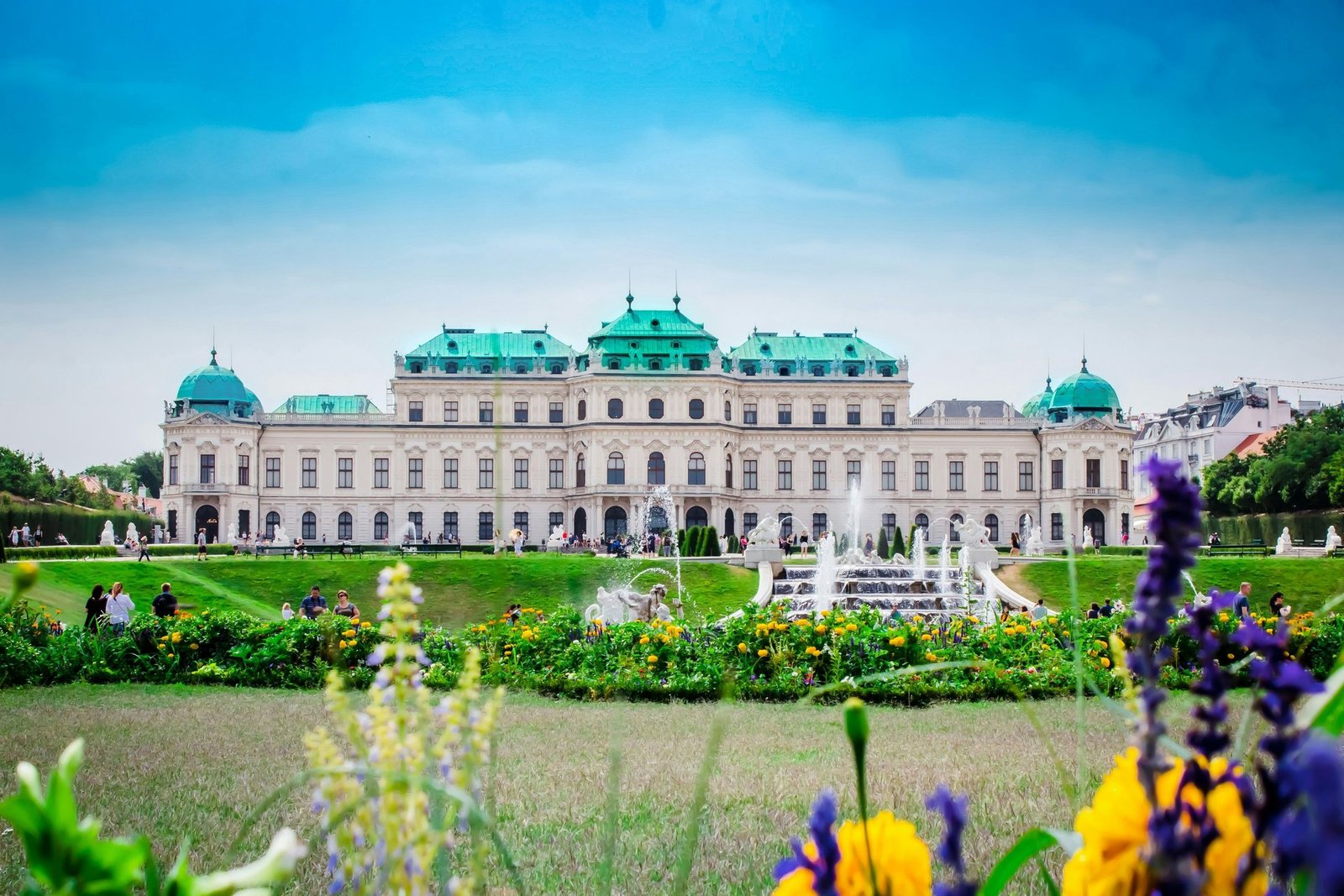
Vienna is one of Europe’s most elegant capitals. For more than six centuries it was the seat of the Habsburg empire, and its palaces, museums and boulevards still carry that grandeur. It is also the city of Mozart, Beethoven and Strauss, of slow afternoons in historic coffee houses, and it is regularly ranked among the most liveable cities in the world. This Vienna travel guide covers how many days to stay, the best neighbourhoods, the palaces and experiences worth your time, the finest hotels, where to eat and the practical details that make the city easy.
Vienna at a Glance
- Best for: Palaces, art, music, coffee houses
- Ideal stay: 3 to 4 days
- Best areas to stay: Innere Stadt, the Ringstrasse
- Best months: April to May, September to October
- Christmas markets: Mid-November to late December
- Getting around: Walking, trams, U-Bahn
- Top day trip: The Wachau Valley
- Currency: Euro (€)
Affiliate note: this guide contains affiliate links. If you book through them, The Gilded Way may earn a commission at no extra cost to you.
How Many Days Do You Need in Vienna?
- 2 days: the Hofburg, St. Stephen’s Cathedral and a coffee house on day one, then Schönbrunn Palace and an evening at the opera on day two.
- 3 to 4 days: our recommendation. Add the Belvedere, the Kunsthistorisches Museum, the Naschmarkt and a slower day in Neubau’s cafés and boutiques.
- 5 days or more: add a day trip to the Wachau Valley, Salzburg or Bratislava, or combine Vienna with Prague or Budapest by train.
Where to Stay in Vienna
Vienna is compact and easy to navigate, so most visitors stay inside or close to the Ringstrasse, the grand boulevard that circles the old town.
The historic heart, home to St. Stephen’s, the Hofburg and the State Opera. Everything is within walking distance, though prices are highest.
A magnificent 19th-century boulevard of palaces, museums and the city’s most famous luxury hotels.
A creative district of independent boutiques, cafés and bars, next to the MuseumsQuartier and the charming lanes of Spittelberg.
Across the Danube Canal, close to the Prater park and the Karmelitermarkt, with good value and quick access to the centre.
Our pick: stay in the Innere Stadt or on the Ringstrasse for a first visit. Waking up a few steps from the opera and the coffee houses is part of the Vienna experience.
The Best Things to Do in Vienna
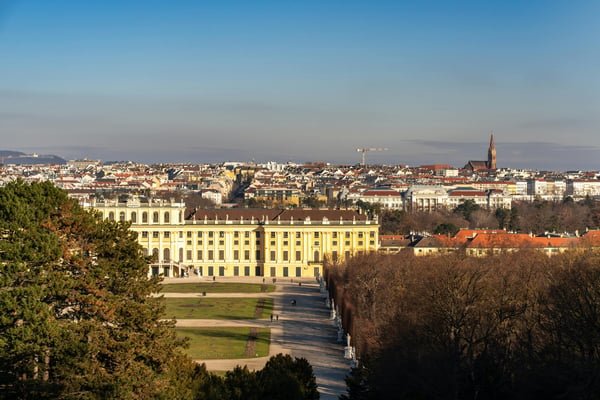
1. Explore Schönbrunn Palace
The Habsburgs’ summer residence is one of Europe’s great palaces, with lavish state rooms, vast formal gardens and the Gloriette on the hill above. Arrive at opening time, book timed tickets online and climb to the Gloriette for the view.
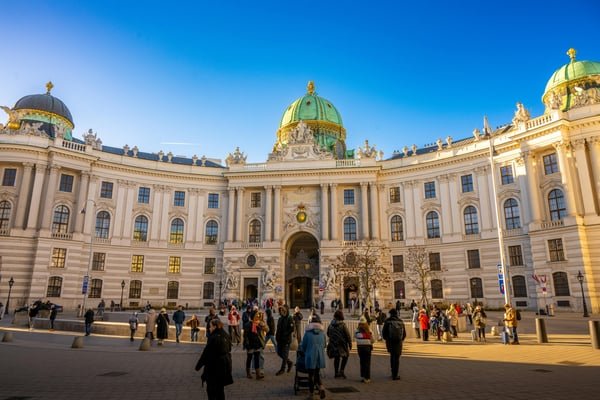
2. Discover the Hofburg
The Habsburgs ruled from the Hofburg for more than 600 years. Visit the Imperial Apartments and the Sisi Museum, admire the baroque State Hall of the National Library, and watch the Lipizzaner horses of the Spanish Riding School.
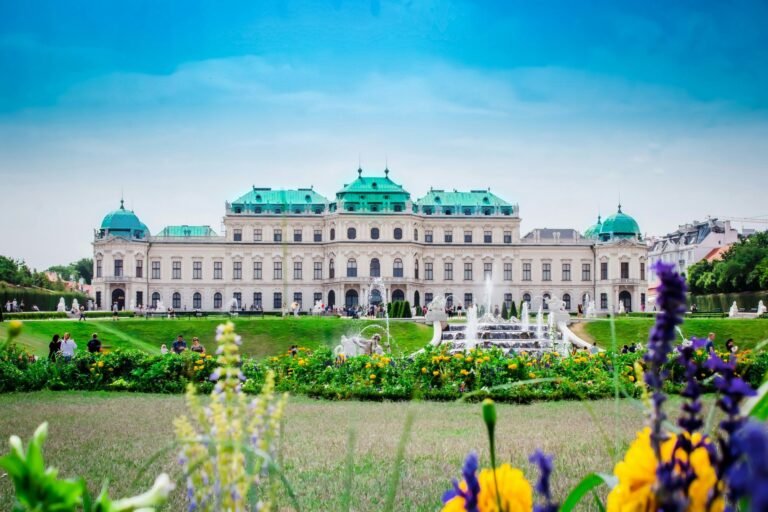
3. See Klimt’s The Kiss at the Belvedere
Two baroque palaces set in formal gardens hold the world’s largest collection of Gustav Klimt paintings, including the golden masterpiece The Kiss, alongside works by Schiele and Kokoschka. Book timed tickets online.
4. Climb St. Stephen’s Cathedral
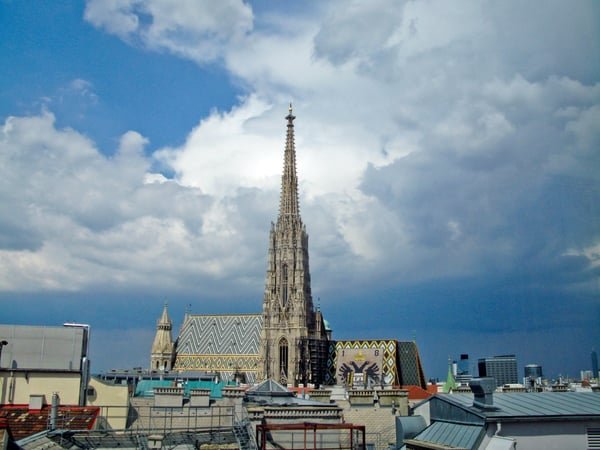
Vienna’s Gothic cathedral, with its famous patterned tile roof, is the symbol of the city. Climb the 343 steps of the south tower for a panorama over the rooftops, or explore the catacombs below.
5. Linger in a Grand Coffee House
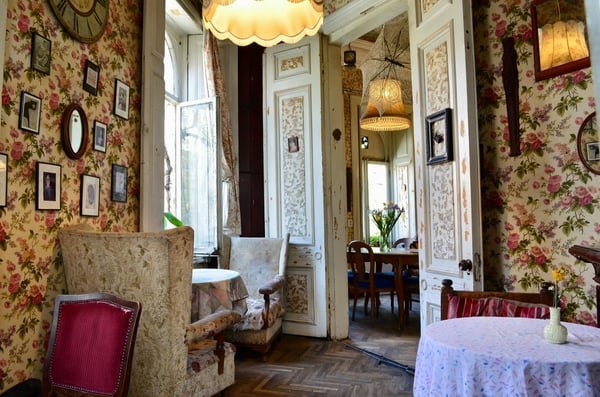
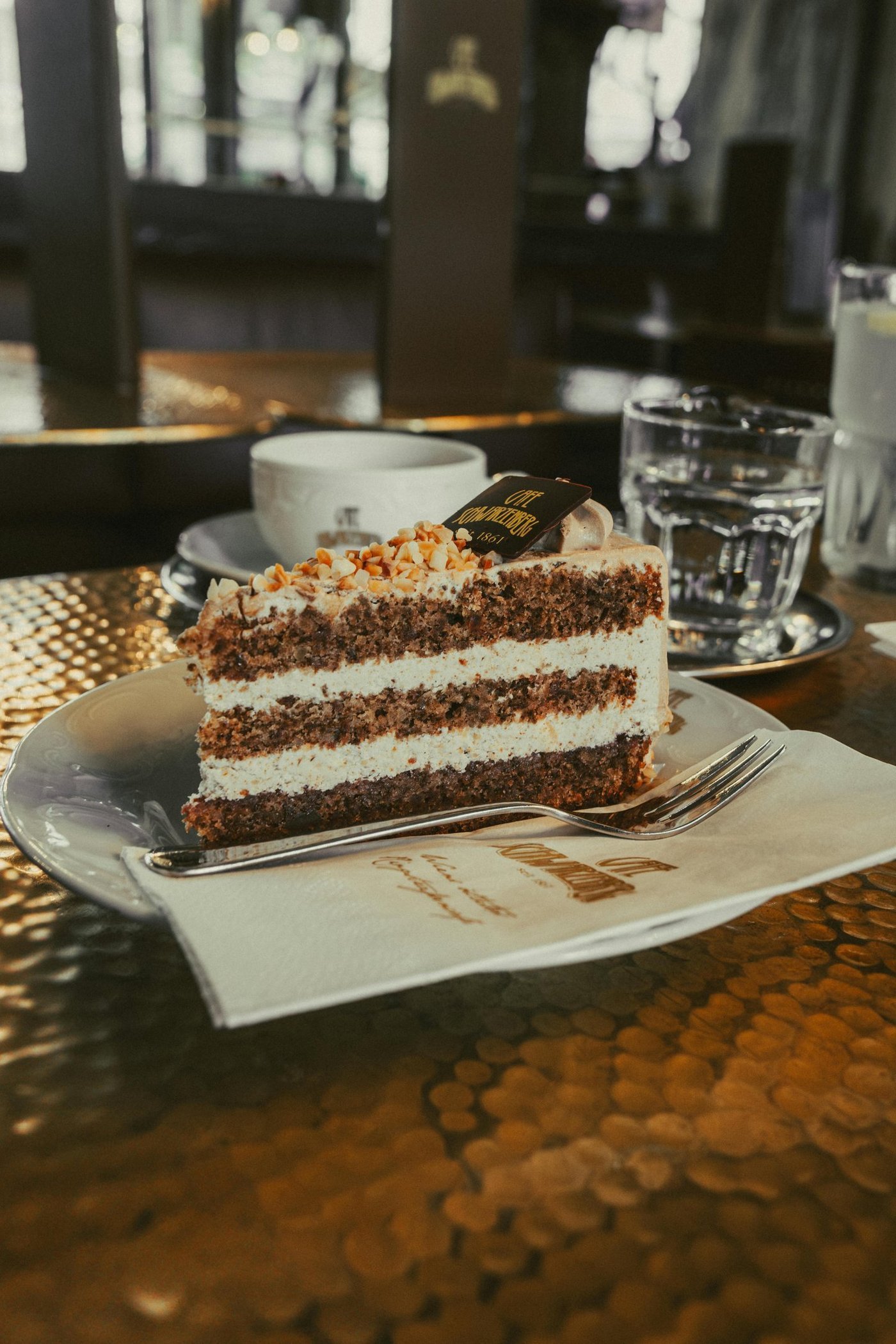
Vienna’s coffee house culture is listed by UNESCO as intangible cultural heritage. Order a Melange and a slice of cake, read the papers and stay as long as you like at Café Central, Café Sperl or the cake shop Demel.
Book Vienna Tours & Experiences
Schönbrunn and Hofburg tours, classical concerts, Spanish Riding School performances and day trips to the Wachau Valley, or a private local guide who plans the day around you.
Vienna Tours & TicketsPrivate Vienna GuidesMusic, Art and More
- The Vienna State Opera: one of the world’s great opera houses, with performances on most nights of the season. Book seats ahead, or try for inexpensive standing places on the day.
- Classical concerts: hear Mozart and Strauss at the Musikverein, the Konzerthaus or in historic palace halls.
- The Kunsthistorisches Museum: the Habsburgs’ extraordinary art collection, including Bruegel, Vermeer, Raphael and Caravaggio, in a magnificent building.
- The MuseumsQuartier: modern art at the Leopold Museum and MUMOK, plus courtyards full of cafés.
- The Prater: a huge park with the historic Giant Ferris Wheel, perfect for an evening view over the city.
- The Naschmarkt: Vienna’s liveliest food market, with stalls, delis and small restaurants.
Best Time to Visit Vienna
- Spring (April to May): mild weather, palace gardens in bloom and the Vienna Festival in May.
- Summer (June to August): warm and lively, with open-air concerts and riverside bars, but the busiest and most expensive season.
- Autumn (September to October): pleasant weather, thinner crowds, the wine harvest and better hotel value. Our favourite time to visit.
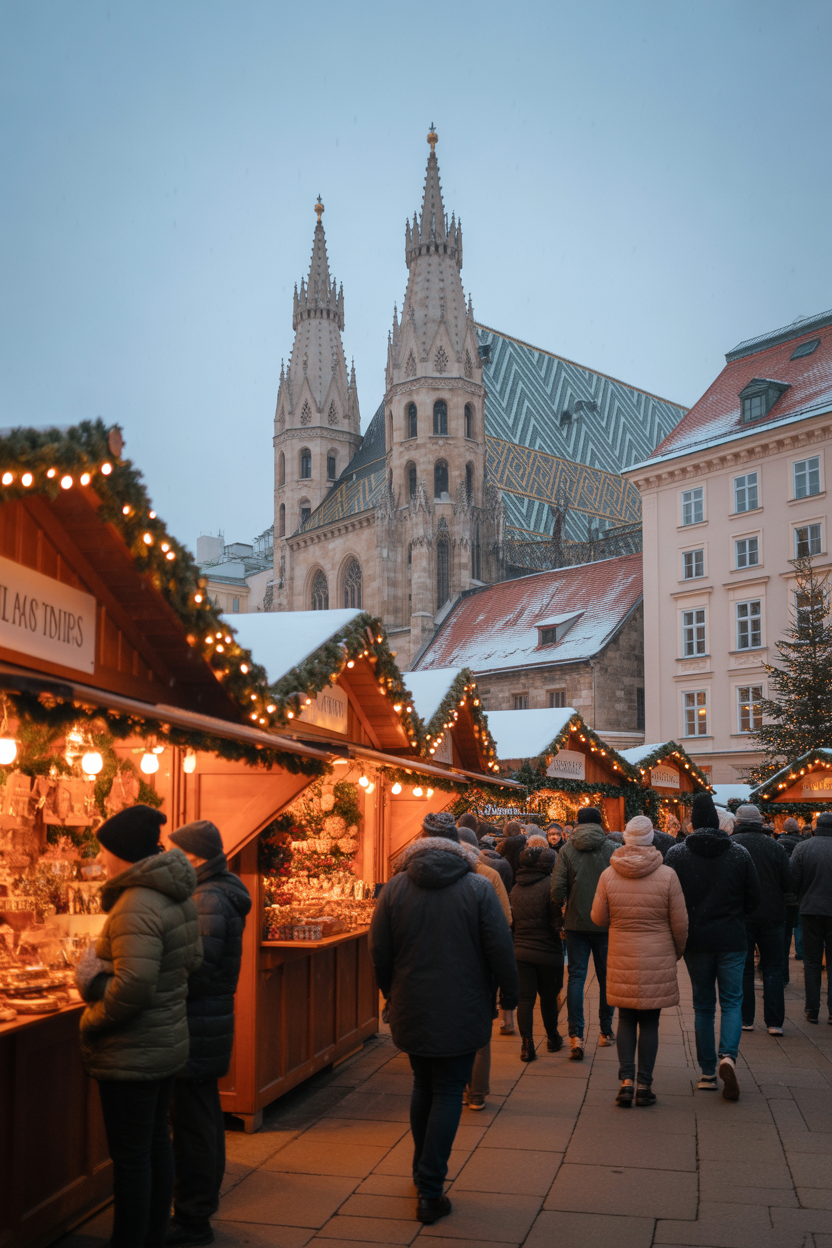
- Winter (November to March): cold but magical, with Christmas markets from mid-November, New Year concerts and the elegant ball season in January and February.
Best overall: April to May or September to October. For festive magic, visit in late November or December for the Christmas markets.
Recommended Hotels in Vienna
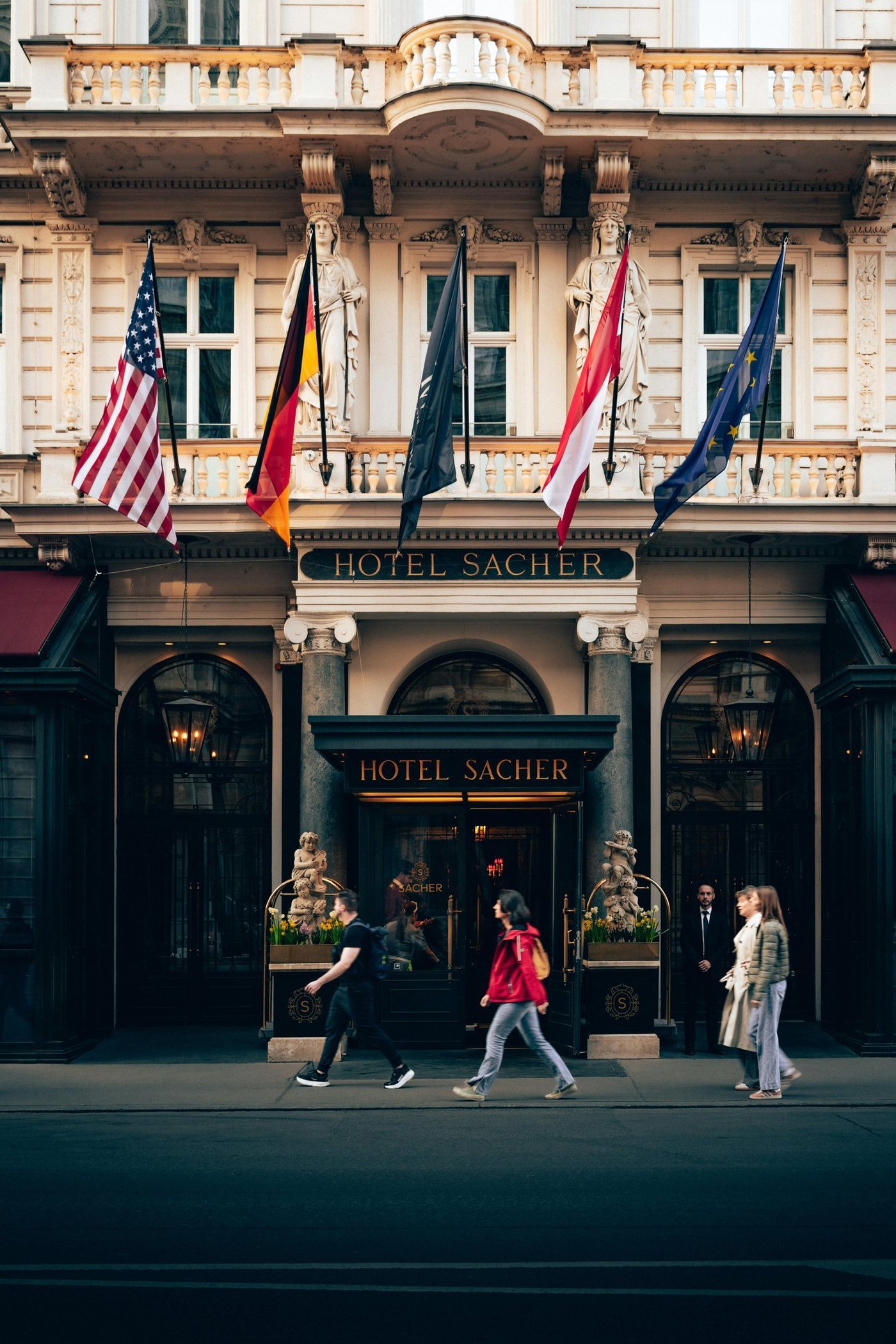
Opposite the State Opera since 1876, with opulent imperial interiors, the famous Café Sacher and the original Sachertorte.
Check availabilityA former palace on the Ringstrasse, a hotel since 1873, with grand state rooms and the renowned Café Imperial.
Check availabilityA former bank headquarters on the elegant Am Hof square, with a restaurant in the old banking hall and a spa in the former vault.
Check availabilityFour historic palaces on the Ringstrasse, with a beautiful spa and indoor pool, and a rooftop bar with views over the city.
Check availabilityAn exclusive all-suite palace with its own park, a remarkable wine cellar and refined fine dining.
Check availabilityCompare current rates on Booking.com or Expedia. Book early for the Christmas markets and the ball season.
What to Eat and Drink in Vienna
- Wiener Schnitzel: a thin, crisp veal cutlet, traditionally served with potato salad and lemon. Figlmüller is famous for its oversized version.
- Tafelspitz: boiled beef served in its broth with apple horseradish and chive sauce. Plachutta is the classic address.
- Sachertorte: the legendary chocolate cake with apricot jam, best tried at Café Sacher, along with Apfelstrudel and Kaiserschmarrn.
- Coffee: order a Melange, similar to a cappuccino, or an Einspänner topped with whipped cream.
- Fine dining: Steirereck in the Stadtpark is one of the world’s most celebrated restaurants, showcasing modern Austrian cooking.
- Wine: Vienna is a wine-growing city. Visit a Heuriger, a rustic wine tavern in the vineyards on the city’s edge, and try Grüner Veltliner.
Day Trips From Vienna
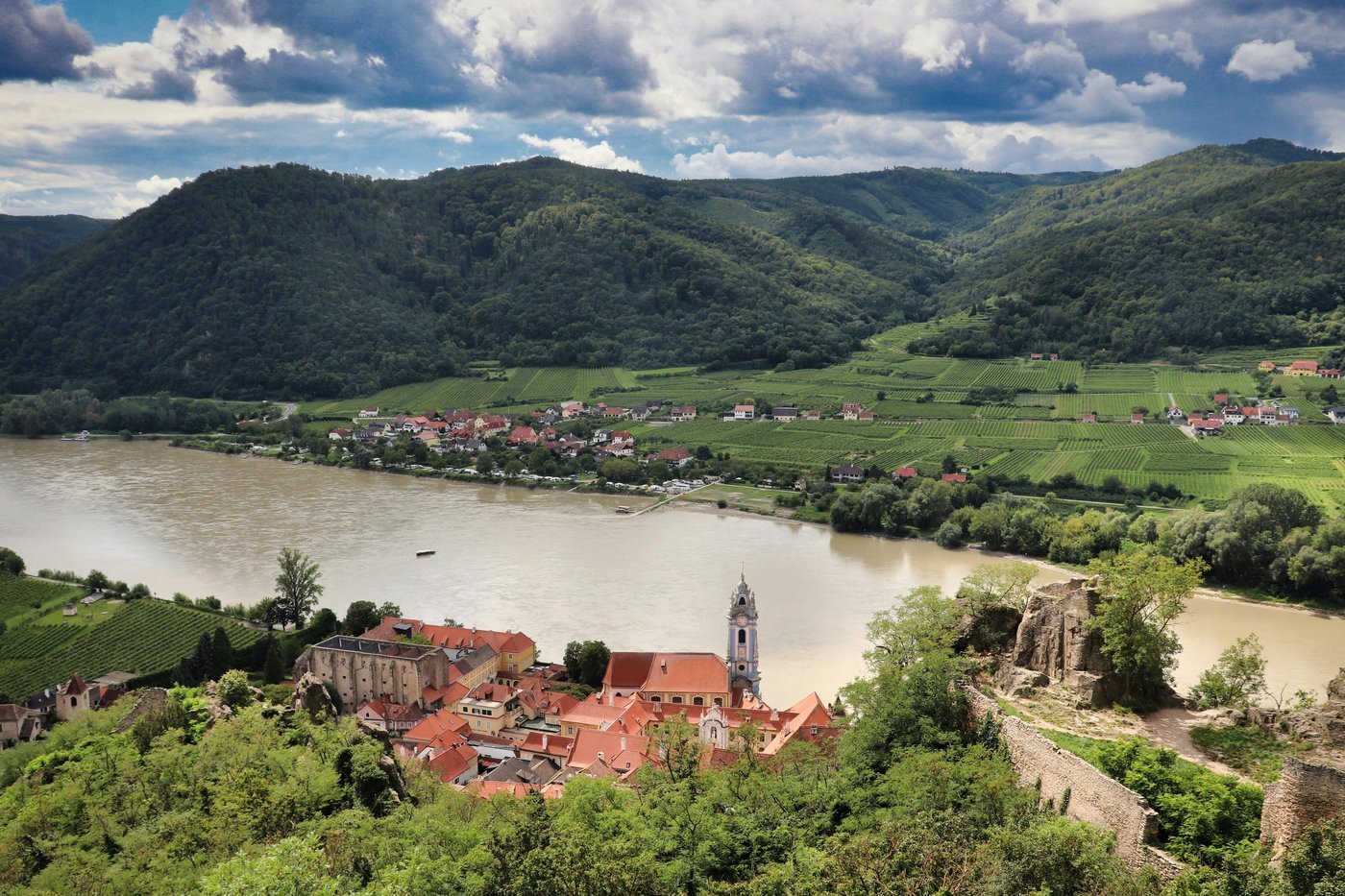
- The Wachau Valley: a UNESCO-listed stretch of the Danube with vineyards, Melk Abbey and the village of Dürnstein. Ideal for wine tasting and a river cruise.
- Salzburg: Mozart’s birthplace, about 2.5 hours away by high-speed train, with a hilltop fortress and baroque old town.
- Bratislava: Slovakia’s charming capital, about an hour away by train or boat.
Practical Vienna Tips
- Getting there: Vienna International Airport is about 18 kilometres from the centre. The CAT express train reaches the city in about 16 minutes; the S-Bahn and taxis are also easy.
- Entry: Austria is in the Schengen Area. Check the current rules for your passport before you travel.
- Getting around: the old town is very walkable, and the trams and U-Bahn are excellent. A 24, 48 or 72-hour pass is great value.
- Dress code: smart dress is appreciated at the opera, concerts and fine-dining restaurants.
- Tipping: round up in cafés and leave about 5 to 10% in restaurants.
- Closures: many shops close on Sundays, though cafés, museums and restaurants stay open.
- Safety: Vienna is one of Europe’s safest capitals. Simply watch for pickpockets in crowded areas.
Stay connected: buy an eSIM before you fly so maps, tickets and transport apps work from the moment you land.
Vienna Travel FAQ
How many days do you need in Vienna?
Three to four days is ideal. It covers Schönbrunn, the Hofburg, the Belvedere, St. Stephen’s Cathedral and an evening at the opera, with time for coffee houses. Add a day for the Wachau Valley or Salzburg.
What is the best area to stay in Vienna?
The Innere Stadt, the historic 1st District, is best for first-time visitors, with the main sights within walking distance. The Ringstrasse has the grand hotels, while Neubau is stylish and local.
When is the best time to visit Vienna?
April to May and September to October offer pleasant weather and fewer crowds. Late November and December are magical for the Christmas markets, and January and February bring the ball season.
Is Vienna expensive?
Vienna is moderately expensive, similar to other Western European capitals. Public transport, coffee houses and many gardens offer good value, while luxury hotels and fine dining are priced like other major capitals.
What food is Vienna famous for?
Vienna is famous for Wiener Schnitzel, Tafelspitz, Sachertorte and Apfelstrudel, and for its historic coffee houses, recognised by UNESCO as intangible cultural heritage.
Continue Planning
Book Hotels, Tours and Transfers Anywhere in the World
Our guides focus on eleven destinations, but our trusted travel partners can book hotels, tours, private guides and airport transfers almost anywhere on the planet.
or Hotels, Flights & Transfers Worldwide →